Capital city oddities: two, none, or moved
A capital is supposed to be one city. South Africa has three, Bolivia and the Netherlands each have a candidate that is not the seat of government, Nauru has none, and a dozen countries built theirs from nothing.
More than one
South Africa has three capitals, and has had since the Union of 1910, when four colonies merged and the seat of government was split as part of the bargain: Pretoria got the executive, Cape Town the parliament, Bloemfontein the highest court. Bolivia has two: Sucre is the capital in the constitution and the seat of the Supreme Court, La Paz holds the presidency and the legislature and is where the government is actually found. The Netherlands is the mirror case — Amsterdam is the capital by constitution, while the parliament, the ministries, the Supreme Court and the monarch's working palace are all in The Hague. Eswatini splits its capital between Mbabane, the administrative one, and Lobamba, where the parliament and the royal residence are. Malaysia moved its ministries to the planned city of Putrajaya in 1999 but left the capital in Kuala Lumpur; Chile keeps its parliament in Valparaíso, on the coast west of Santiago; Montenegro's president sits in Cetinje, the old royal capital, while the government sits in Podgorica.
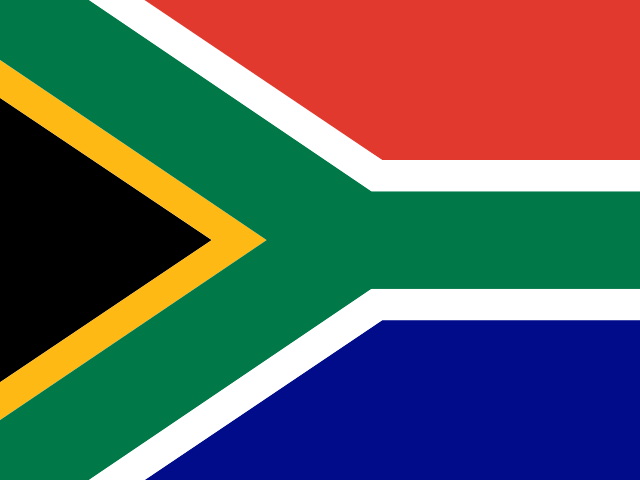
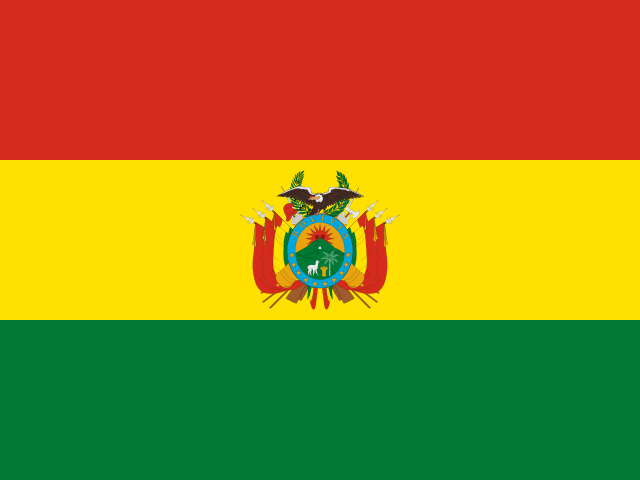
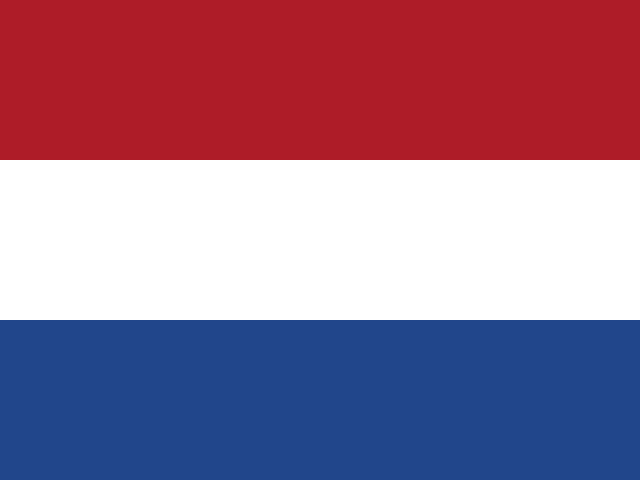
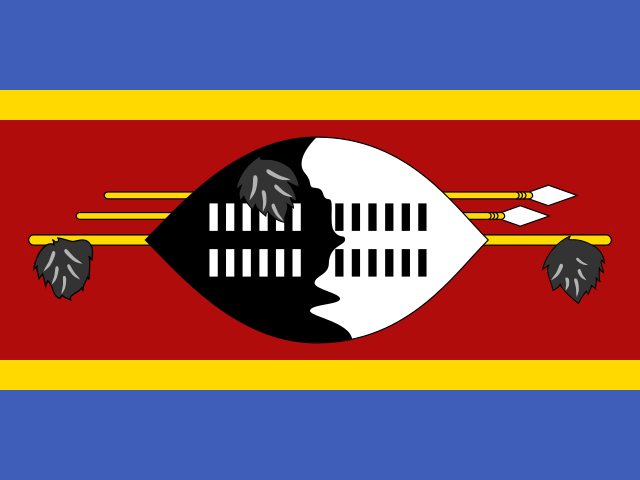
A quiz card has room for one name. In Thirty capitals the game follows its data source, and the card reads Pretoria, Sucre, Amsterdam, Lobamba and Kuala Lumpur. No player is caught out by it, because the card names the city and asks for the country, never the other way round: whichever of the two capitals you learnt, the country is the same.
Not the biggest city
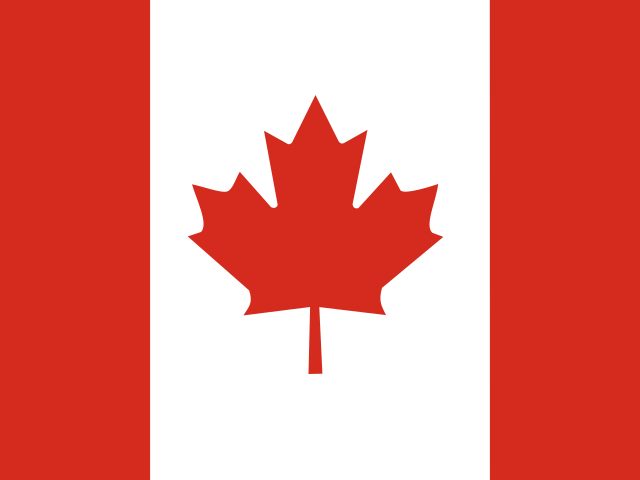
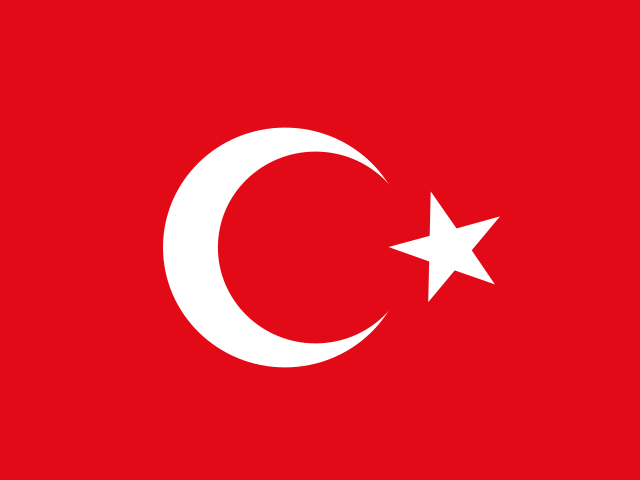
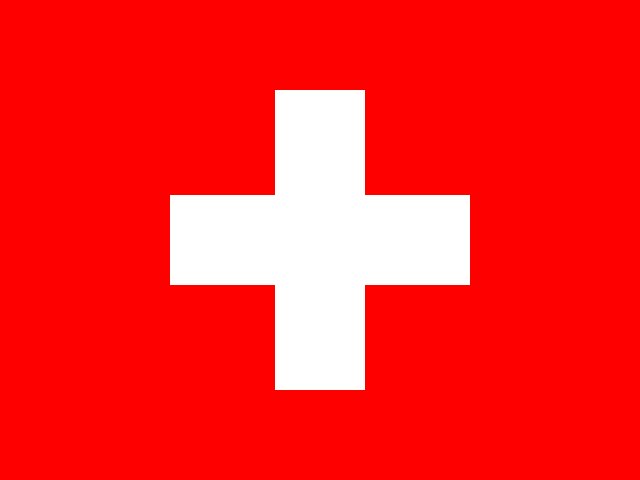
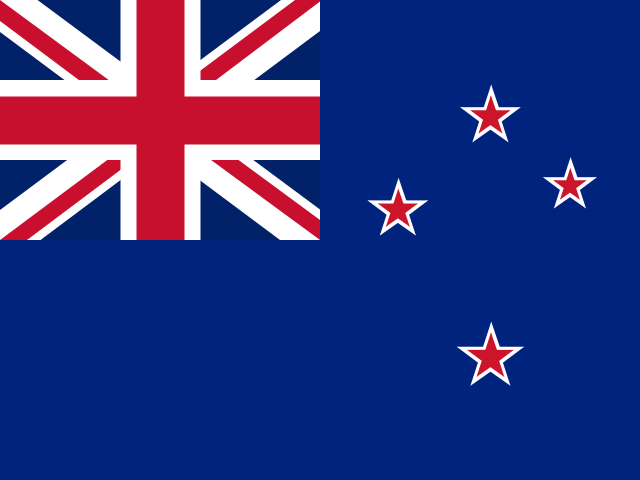
The assumption that the capital is the largest city fails often enough to be worth unlearning. Washington is not New York, Ottawa is not Toronto, Canberra is not Sydney, Brasília is not São Paulo, Ankara is not Istanbul, Bern is not Zurich, Abuja is not Lagos, Islamabad is not Karachi, Astana is not Almaty, Wellington is not Auckland, Rabat is not Casablanca, Hanoi is not Ho Chi Minh City, Yaoundé is not Douala, Porto-Novo is not Cotonou, Belmopan is not Belize City, and Vaduz is not even the largest village in Liechtenstein — Schaan is. Switzerland is the odd one twice over: Bern is the seat of the federal government, but Swiss law gives it the title of federal city rather than capital, and the country has no capital de jure at all.
Built to order
Many of those capitals are not the biggest city because they were built to be capitals and nothing else — usually to settle a quarrel between bigger cities, or to pull the government into the middle of the country.
- Washington — site chosen in 1790 as a compromise between northern and southern states, laid out by Pierre L'Enfant, occupied by the federal government in 1800.
- Canberra — the price of federation: Sydney and Melbourne each refused the other, so a site between them was chosen in 1908, Walter Burley Griffin and Marion Mahony Griffin won the design competition, and parliament moved up from Melbourne in 1927.
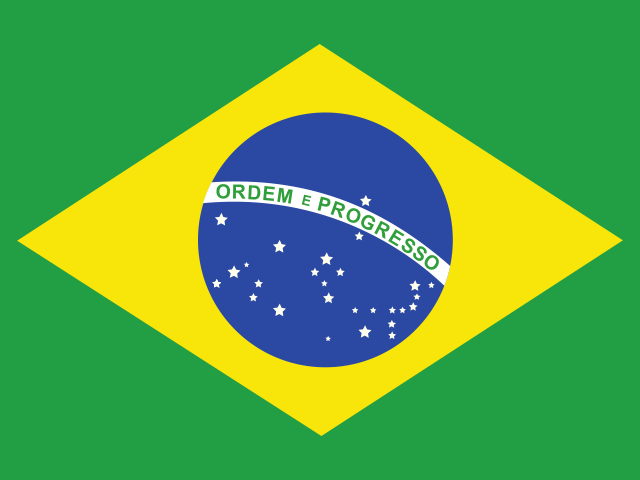
- Brasília — inaugurated on 21 April 1960 after under four years of construction, planned by Lúcio Costa with buildings by Oscar Niemeyer, to shift the country's weight inland from Rio de Janeiro. From the air the plan reads as a bird or an aeroplane.
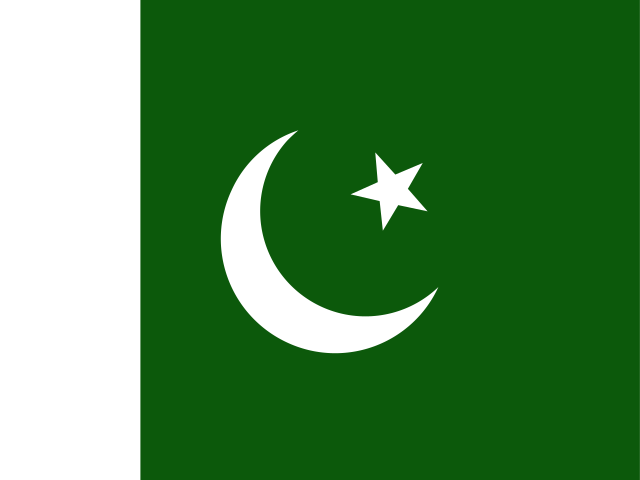
- Islamabad — built from the early 1960s to replace Karachi, on a plan by Constantinos Doxiadis, with the garrison town of Rawalpindi next door as interim capital while it went up.
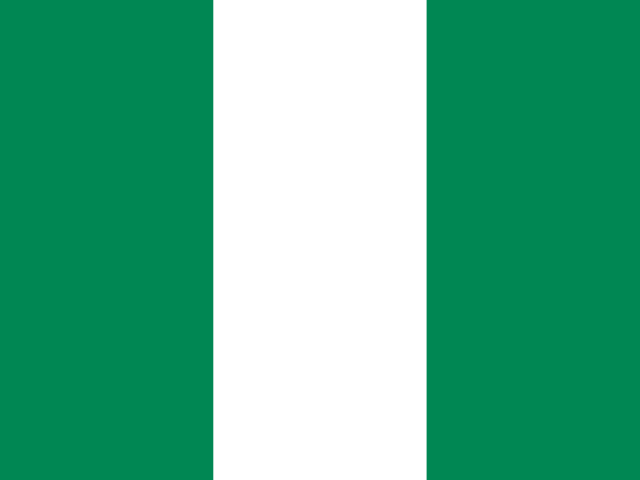
- Abuja — replaced Lagos in 1991; chosen for a central site on ground seen as neutral between the country's regions.
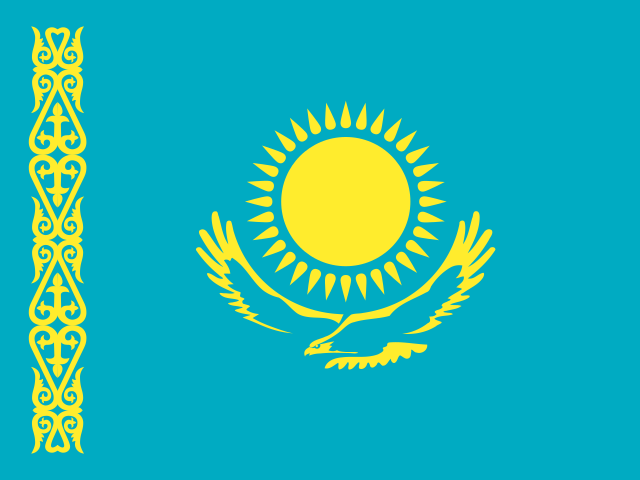
- Astana — Kazakhstan moved its capital north from Almaty in 1997, to the steppe town then called Akmola; it has been Astana since 1998, apart from three years as Nur-Sultan from 2019 to 2022.
- Naypyidaw — Myanmar's government moved out of Yangon in November 2005 to a city that did not yet officially have a name; it got one in 2006. The official reason was its central position.
Still moving
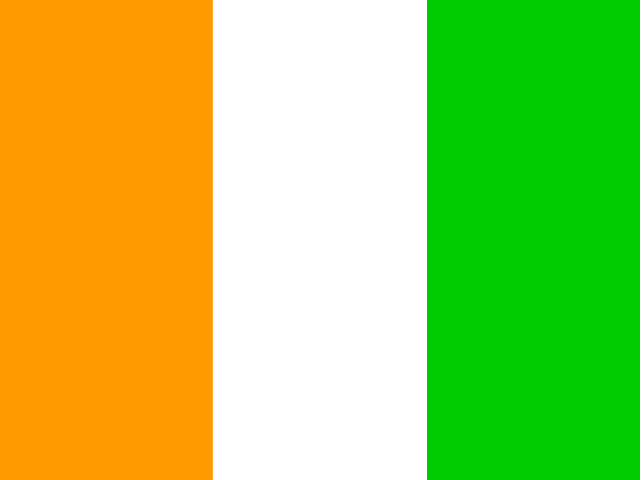
Indonesia is building a new capital, Nusantara, in East Kalimantan on the island of Borneo, to relieve Jakarta — sinking, congested and at the western end of an archipelago that spans three time zones. Government buildings are going up and the first officials have moved, but the transfer is a work in progress and Jakarta is still the capital in the game's data. Egypt is moving its ministries to a New Administrative Capital in the desert east of Cairo; the government has begun working from there, and Cairo remains the capital in name. Burundi did the paperwork first: in 2019 it declared Gitega, in the centre of the country, the political capital, while Bujumbura on Lake Tanganyika stays the economic one — so the card reads Gitega, and a player who learnt Bujumbura at school is out of date. Tanzania declared Dodoma its capital in 1973 and took until the late 2010s to finish moving the ministries there from Dar es Salaam. Ivory Coast has had Yamoussoukro, the birthplace of its first president, as its capital since 1983, and most of the government is still in Abidjan.
None at all
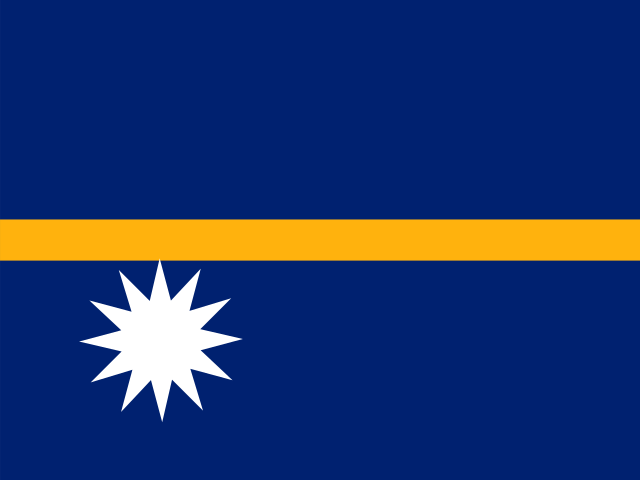
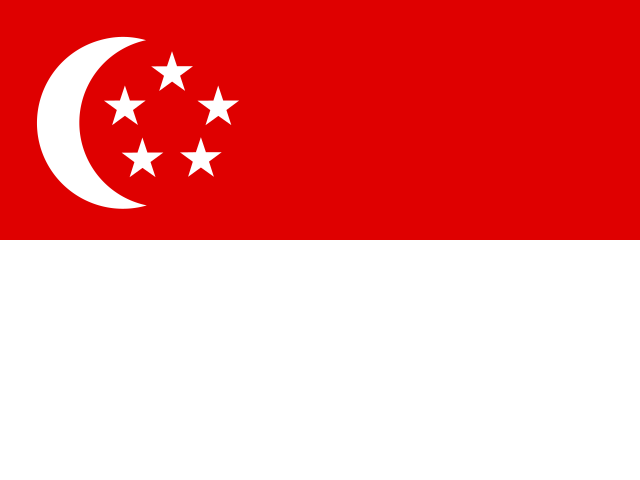
Nauru, a single island of twenty-one square kilometres, has no capital — no city at all, only districts around the coast. Parliament and the government offices are in Yaren district, so Yaren is what atlases print, and what the card says. City-states go the other way: the capital and the country are the same place. Singapore is the capital of Singapore, Monaco of Monaco, Vatican City of Vatican City; Luxembourg and Djibouti are countries named after their capitals. Those cards give the answer away, and the globe keeps them anyway: the name is only the answer if you can find the country, which on a globe without labels is the whole exercise. On the flat maps the rule is stricter, and a unit named exactly like its capital is left out of the round — Luxembourg and Monaco on the Europe map, Singapore on the Asia map, Djibouti on the Africa map.
Same name, different country
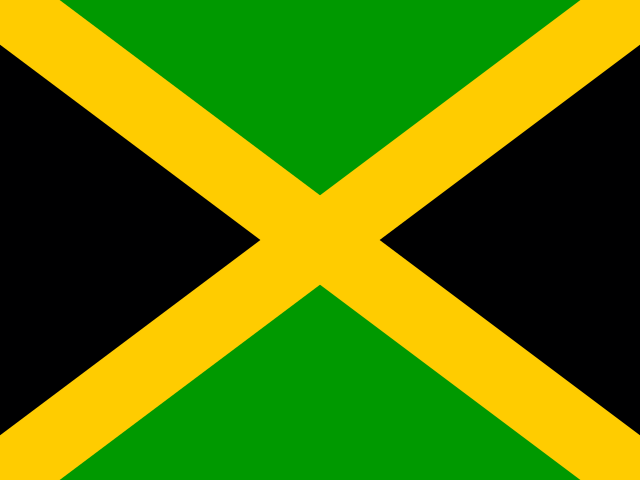
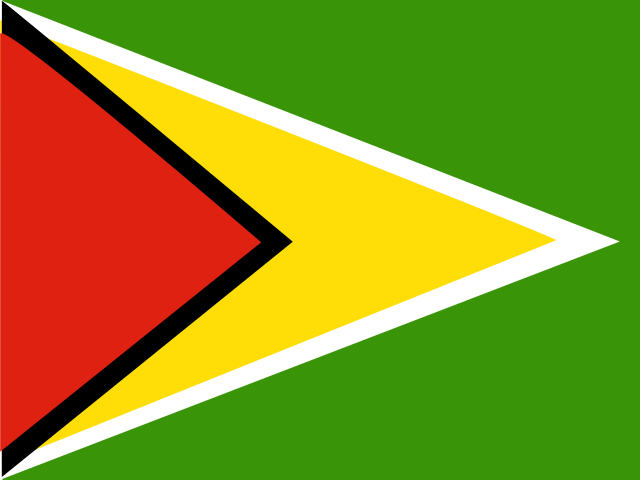
Two capitals can share a name, and that is where Thirty capitals draws its line. Nine of the 235 countries and territories never come up and stay locked under their flags: those without a capital of their own, those whose capital shares its name with another one, and those whose capital is disputed. Kingston is the capital of Jamaica and of Norfolk Island; George Town on Grand Cayman differs from Guyana's Georgetown by a space. One of each pair is locked, and it is the smaller one: Jamaica and Guyana come up, Norfolk Island and the Cayman Islands do not. Israel, Palestine and Western Sahara are the disputed ones. Antarctica and the Heard and McDonald Islands have no capital, and neither do Hong Kong and Macao, which are cities rather than countries with a capital in them. The other 226 come up, near-misses included: Kingstown, the capital of Saint Vincent and the Grenadines, is not Kingston. And Brazil's capital is not Rio, and has not been since 1960.
Try it
Thirty capitals deals thirty cards with a city on each, and the mode page explains what is left out and why. The same round runs on flat maps for a continent — Europe, Africa, the Americas — and for the states of the US, where in most states the capital is not the largest city either. Flags of the world lists all 235 flags with their capitals. Related: How to memorise flags and Flag symbols.