How to memorise the flags of the world
Two hundred and thirty-five flags is a lot to hold in your head one at a time. Learn them as families and by place, and the number shrinks fast. Here is the method, and which part of the game fits each step.
Recognition is not recall
A quiz that shows a flag with four names underneath tests whether you can pick the right name once you see it. Being able to do that says little about whether you could produce the country yourself, and nothing about where the country is. That is why the globe here carries no labels: each card asks you to know the country and to find it. Learning for that test is harder, but it is the kind that lasts, and the kind that lets you read a flag on a ship's stern or at a sports ground without a list to pick from. Everything below is aimed at recall, not recognition.
1. Learn families, not flags
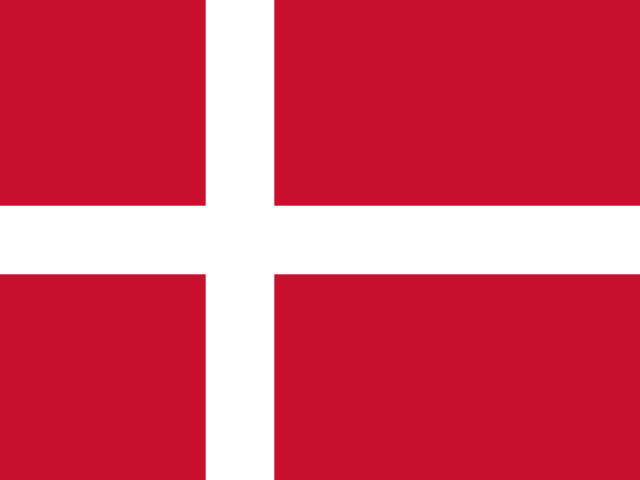
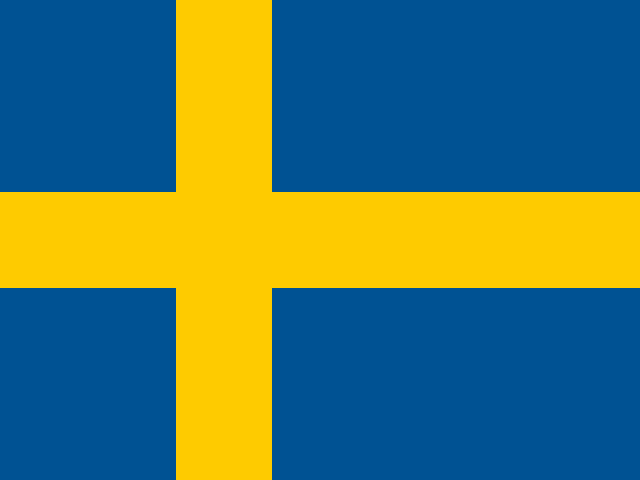
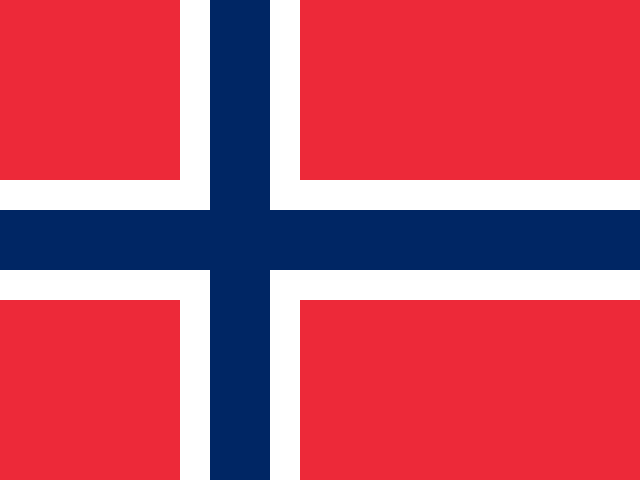
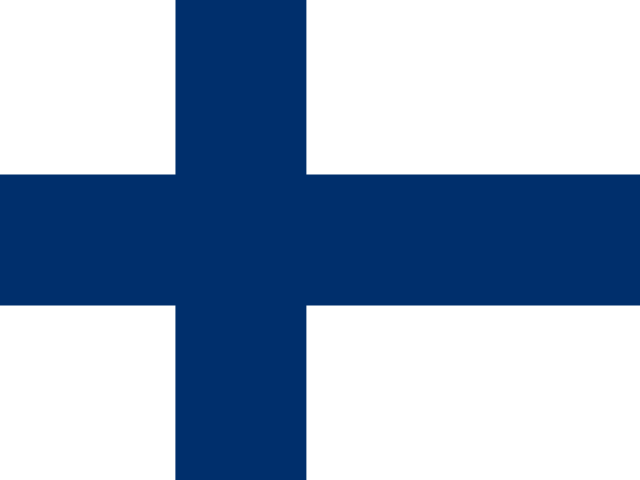
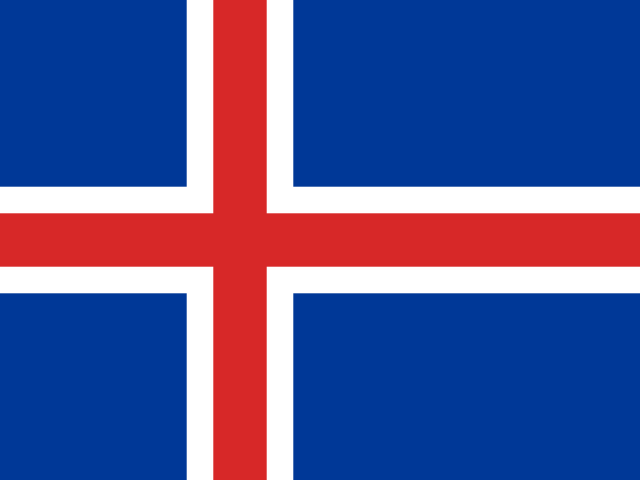
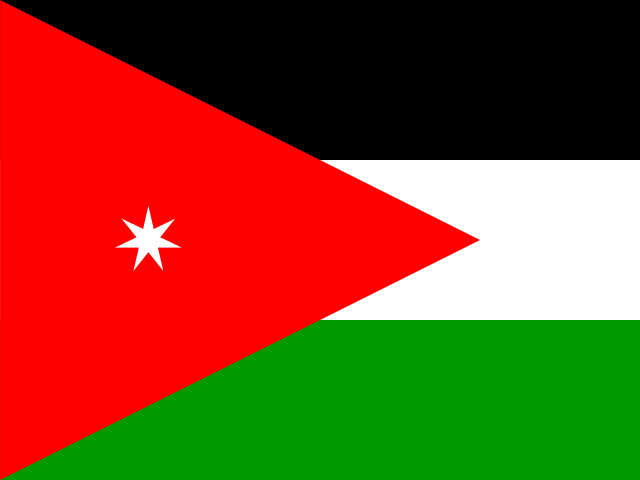
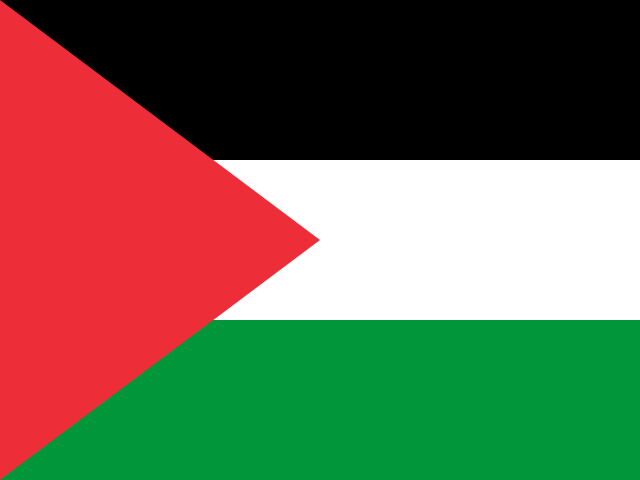
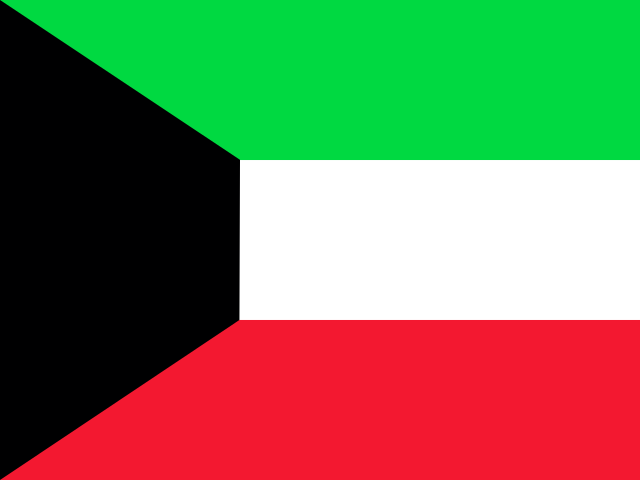
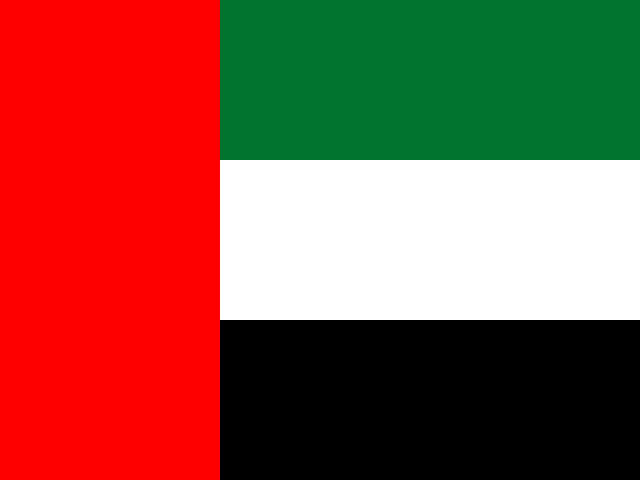
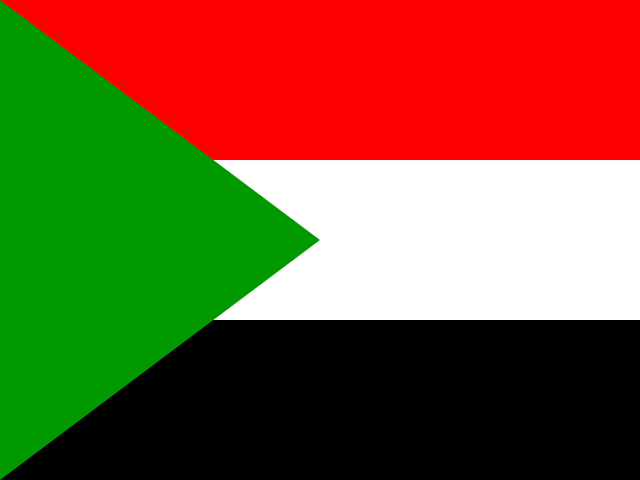
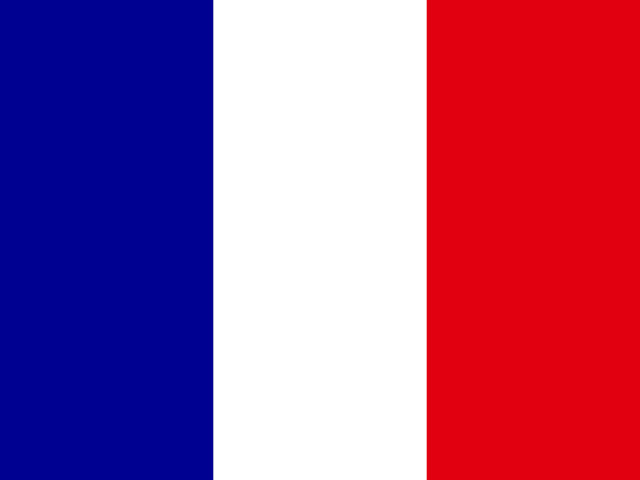
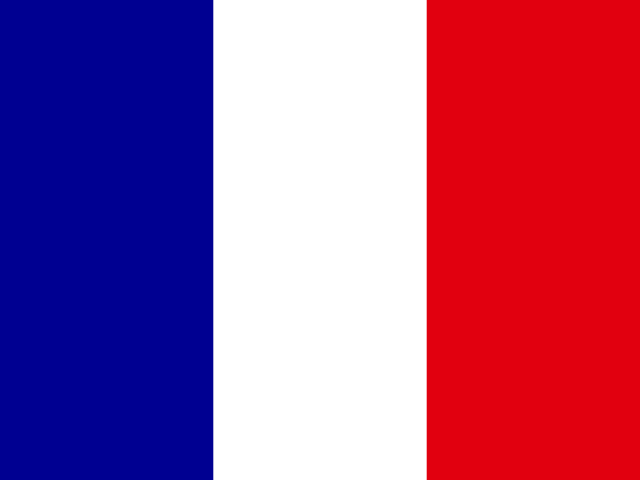
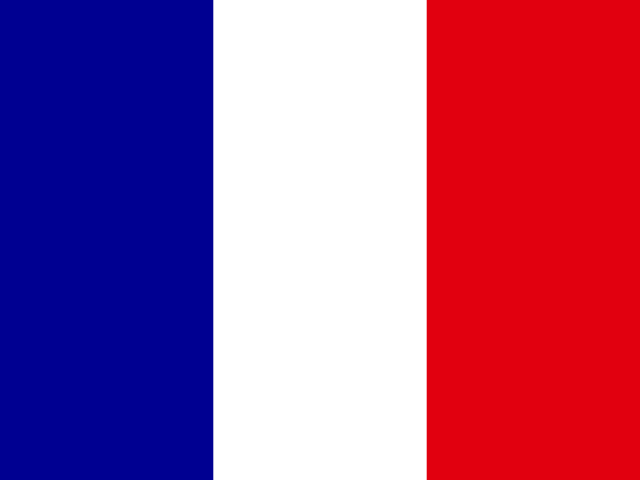
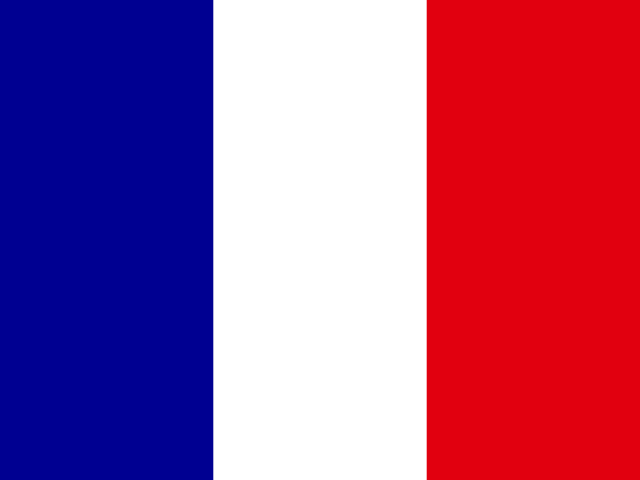
Most flags belong to a group with a shared rule, and the rule is worth more than any single flag. The Nordic cross, with its arm set towards the hoist, covers Denmark, Sweden, Norway, Finland, Iceland, the Faroe Islands and Åland — seven flags for one idea, and the only thing left to learn is which colours belong to whom. The pan-Arab set of black, white, green and red covers Jordan, Palestine, Kuwait, the United Arab Emirates, Sudan and Western Sahara. Pan-African green, yellow and red runs through Ghana, Guinea, Mali, Senegal, Cameroon, Benin, Togo and more. The pan-Slavic white, blue and red gives Russia, Slovakia, Slovenia, Serbia, Croatia and the Czech Republic. Gran Colombia's yellow, blue and red gives Colombia, Ecuador and Venezuela. The Central American light blue and white gives Guatemala, Honduras, El Salvador and Nicaragua, and before them Argentina, whose colours came first. The British ensign — a Union Jack in the corner — gives Australia, New Zealand, Fiji and most of the British territories, and the three vertical bands of the French tricolour echo in Italy, Ireland, Belgium, Romania, Chad and a dozen others.
Learn each family as a rule plus its exceptions. There is a guide here for each: Nordic crosses, tricolours, pan-Slavic, pan-African and pan-Arab colours, and the Union Jack. After the families, what remains is a set of one-offs — Japan, Canada, Brazil, Nepal, South Korea, Kiribati — and those are the easy ones precisely because nothing else looks like them.
2. Anchor each flag to a place
A flag remembered on its own is a loose fact; a flag remembered on a map has a neighbour, a coastline and a region to hang from, and those are exactly the cues the game's Hint gives you — region, sea access and neighbours, language. Start with the flat continent maps rather than the whole globe: Europe, Africa, Asia and the Americas each hold one continent's deck, so a session is one region, and the misses you make are between neighbours, which is the useful kind of miss. Each map keeps its own collection of the flags you have placed without a hint.
Before a round, use Learning: the globe starts blank, and clicking any country shows its flag with its capital, area, population and one fact. It is the place to look up a family in one sitting — click along the Gulf, or down the west coast of Africa — and see how the rule plays out on the ground. Nothing is scored there.
3. Learn look-alikes as pairs
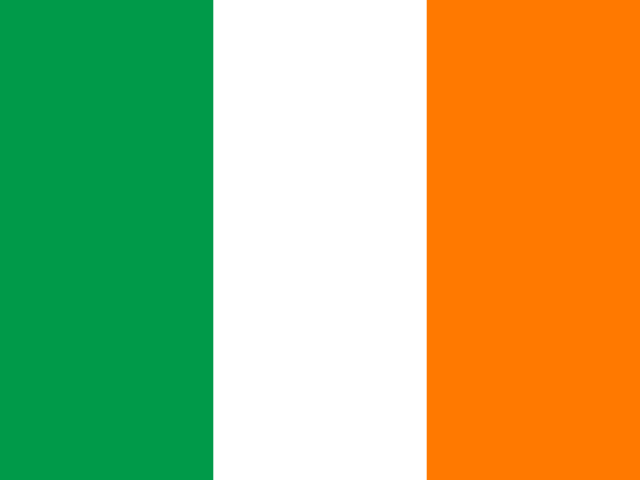
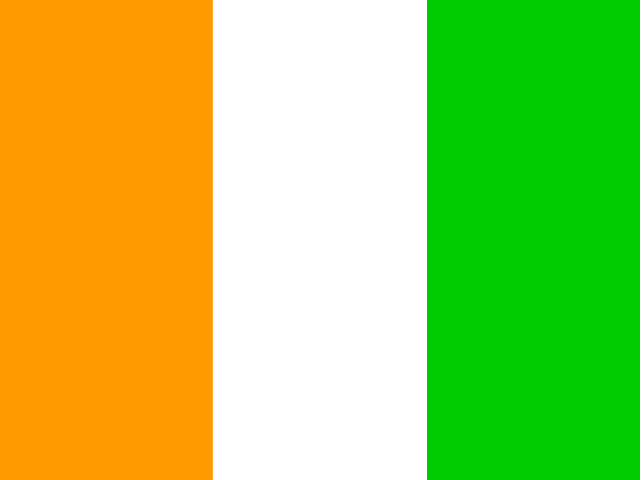
Some flags cannot be learned alone, because on their own they are indistinguishable from another: Chad and Romania, Indonesia and Monaco, Ireland and Côte d'Ivoire, Australia and New Zealand. Every time you meet one, learn its twin at the same time and fix the single detail that separates them — the shade, the order of the colours, the count of stars. Flags that look alike lists the pairs and the detail for each. One trick is specific to the game: in Thirty flags the 205 countries not in the round already wear their own flags, washed out, so if Romania is already flying its tricolour the card in your hand belongs to Chad.
4. Space the repetitions
Memory keeps what it is asked for again after a gap, and loses what is crammed once. Thirty flags a day, several days running, beats the whole deck in one sitting. The game does not schedule reviews for you; what it does is keep a collection of the flags you have placed yourself, without Name or Hint, and Practice deals only the ones missing from it, easiest first, thirty at a time or however many are left. So Practice is the review pile, and it shrinks by itself as you learn. Leave a day between rounds rather than replaying at once — a flag placed twice in ten minutes is not the same as a flag placed again tomorrow.
Daily serves the same purpose with a fixed set: the same thirty flags for everyone, once a day, with a streak for consecutive days. It makes a habit of the daily round, which is the part of spacing most people fail at. One honest caveat: the collection lives in your browser, so a new device starts Practice from nothing; an account carries your records across devices, not the collection.
5. Test recall on the unlabeled map
The test is the round itself. Thirty flags draws twelve of the best known, nine well known, six of the rest and three dependent territories, so an early round is mostly flags you have a chance with. Three misses place the flag for you and it does not count; a hint keeps the flag out of your collection. So use the hints to learn, not to score: open Hint, read the region and the neighbours, then place — and expect to meet that flag again in Practice.
When Thirty flags rounds come back at 30 out of 30, All flags is the exam: all 235 cards, easiest first, ending with the dependent territories. Thirty-seven cards of the deck are dependencies, and a handful cannot be learned from the flag at all. Four French territories — Saint Martin, Saint Barthélemy, Saint Pierre and Miquelon, Wallis and Futuna — fly the plain tricolour; Heard Island and McDonald Islands are shown under Australia's flag; the card for Saint Helena, Ascension and Tristan da Cunha is the Union Jack itself. Those come last, when the rest of the globe is already in flags, and the blanks that remain are the answer. Judge yourself by accuracy first and time second; that is how the game ranks a best too.
A plan that fits in a month
- Week one: Europe. Read the Nordic and pan-Slavic families, then play the Europe map every day until it comes back clean.
- Week two: the Americas, where Gran Colombia and Central America account for half the difficulty, then the pan-African set on the Africa map.
- Week three: Asia and the Pacific, with the Asia map, the pan-Arab family and the ensigns of Oceania.
- Week four: Daily plus Practice each day, and one All flags round at the end to see what is left.
The pace is a suggestion; what matters is the order — families, then places, then pairs, then repetition with gaps — and that every test is done on a map with no names on it.
Try it
Start with Learning to look, Thirty flags to test, Practice to review, and the full list of 235 flags when you want a reference with names. Related: Flags that look alike and Nordic cross flags.