Flags that look alike — and how to tell them apart
Some of the hardest cards in the deck are not rare flags but famous ones with a twin. These are the pairs and trios that cost the most misses, with the single detail that settles each.
Chad and Romania
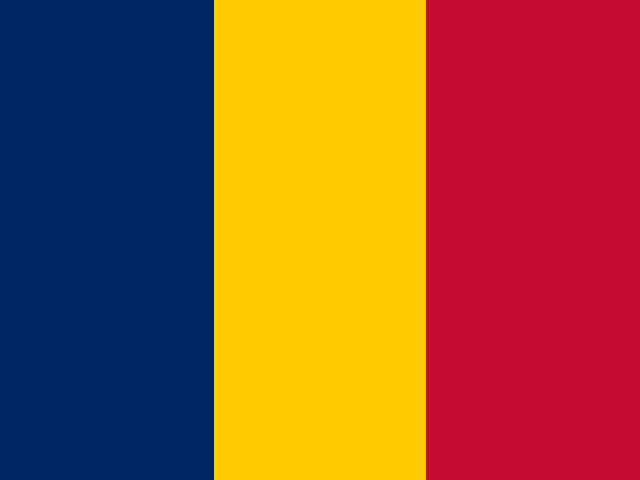
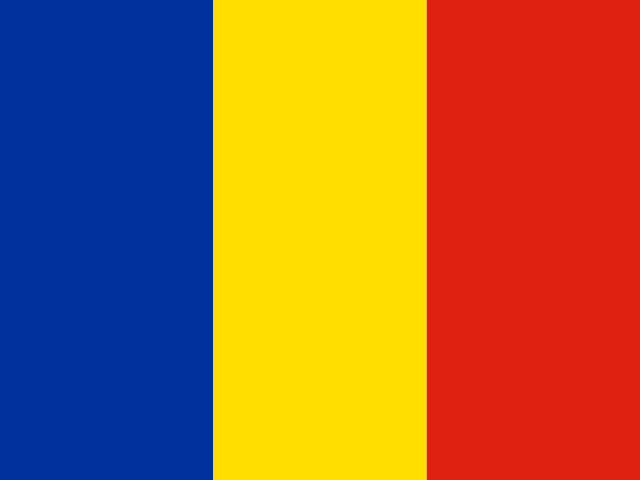
Both are vertical tricolours of blue, yellow and red, both 2:3, and the only difference is the shade of blue: Chad's is a deep indigo, Romania's a lighter cobalt. The two arrived at the design independently — Romania's tricolour goes back to the revolutions of 1848; Chad chose its flag in 1959, on the way to independence from France, taking the layout of the French tricolour. In 2004 Chad raised the likeness at the United Nations; Romania kept its flag.
In the game the map decides. In Thirty flags the countries that are not in the round already wear their own flags, washed out: if Romania is already flying its tricolour, the card in your hand is Chad's. In All flags, whichever of the two is still blank is the answer.
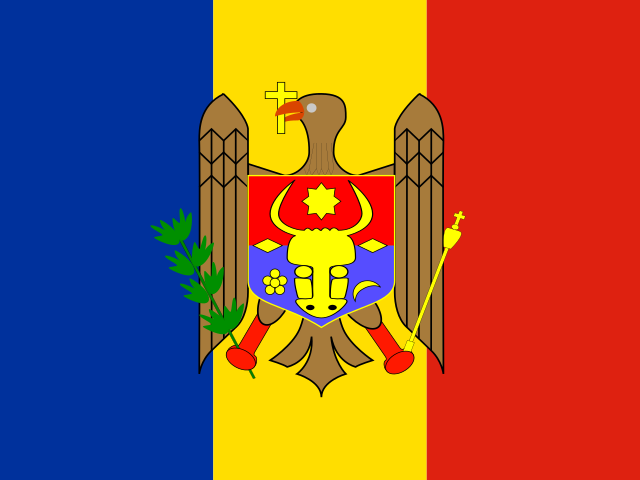
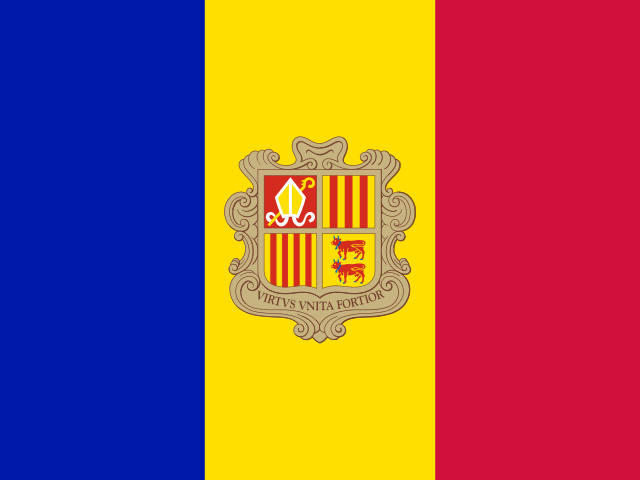
Moldova and Andorra use the same three stripes with arms in the centre: Moldova's an eagle holding a shield with an aurochs head, Andorra's a quartered shield with a mitre in one quarter and two cows in another — and Andorra's yellow stripe is a little wider than the other two.
Indonesia, Monaco and Poland
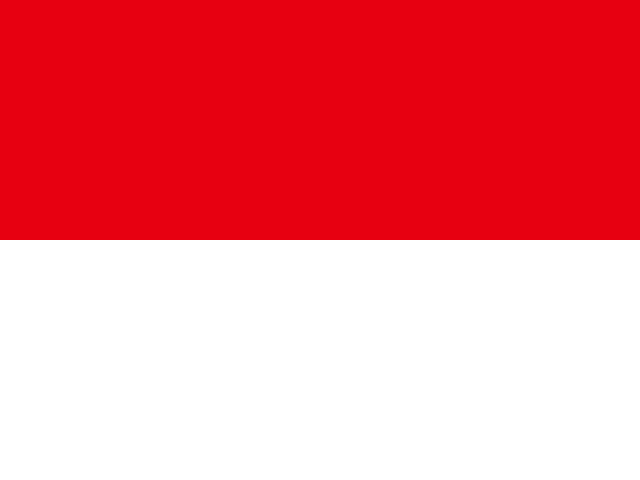
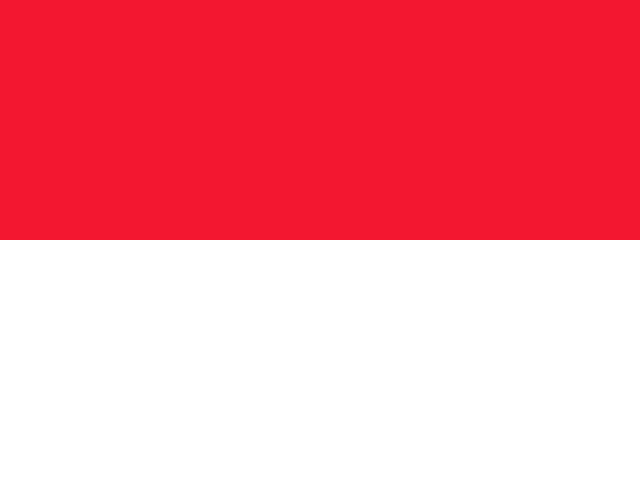
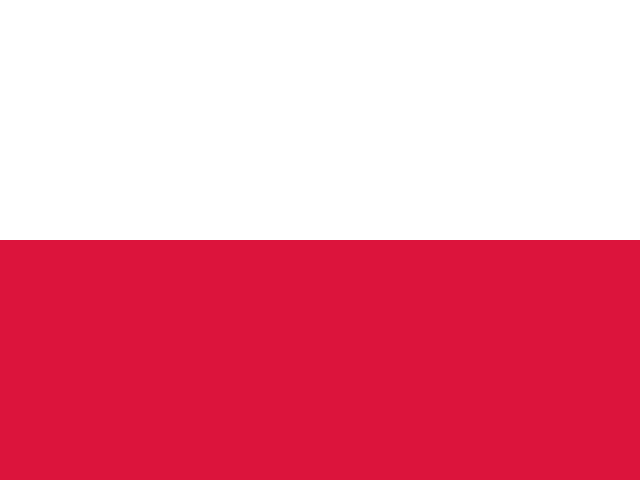
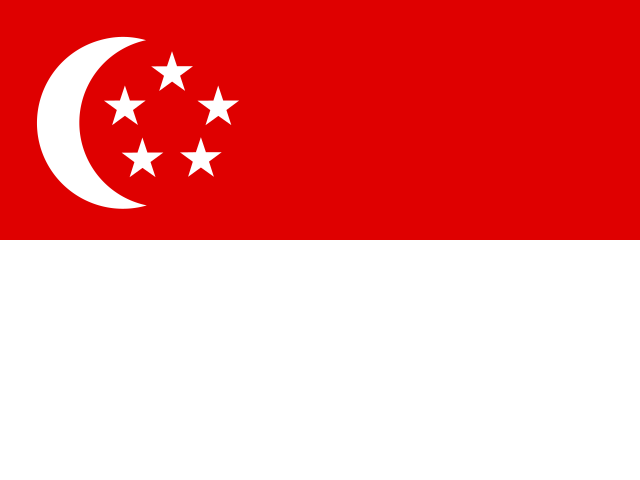
Indonesia and Monaco are both red over white. In the real world they differ in proportion — Indonesia's flag is 2:3, Monaco's a stubby 4:5 — but the game draws every flag of the globe at the same proportion, so on the card they are practically the same picture. Again, geography does the work: Monaco is a dot on the French coast, Indonesia an archipelago between Asia and Australia, and the blank one is the answer. Poland is the same two colours the other way up, white over red. Singapore is red over white too, but with a white crescent and five small stars in the upper hoist.
Ireland and Côte d'Ivoire
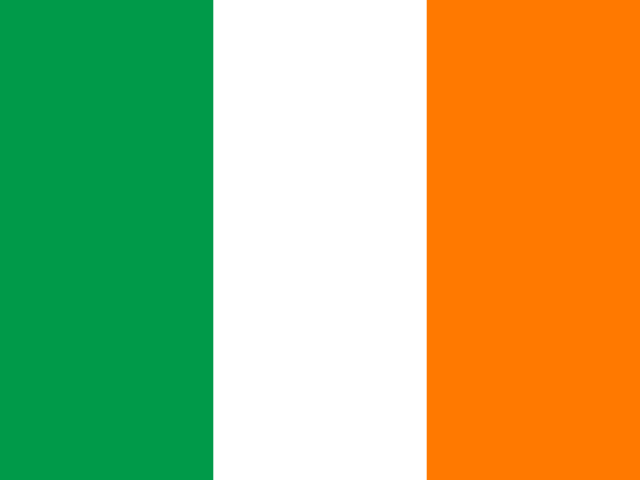
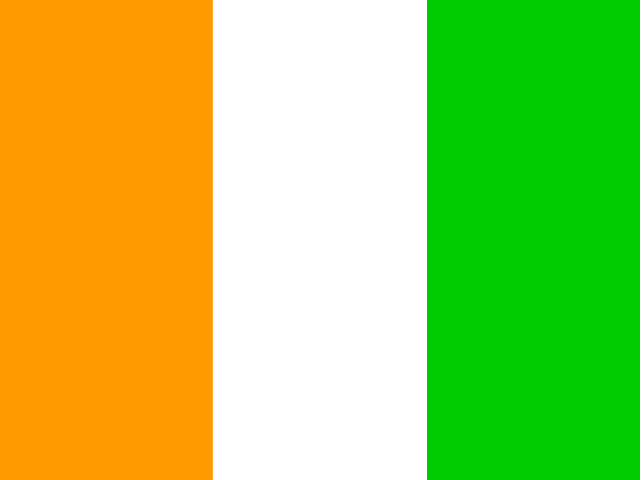
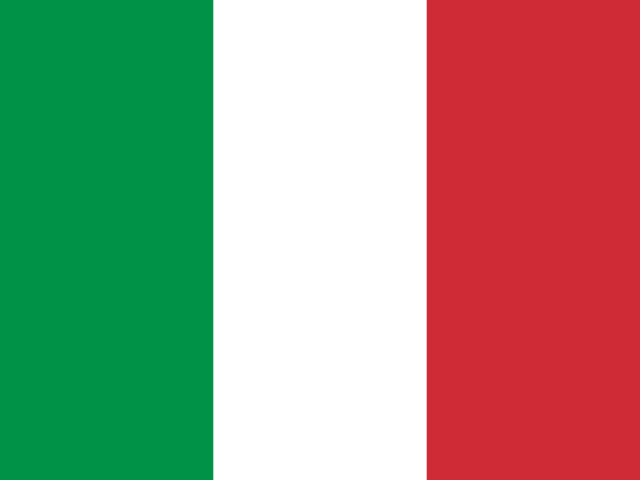
Mirror images. Ireland's vertical tricolour runs green, white, orange from the hoist; Côte d'Ivoire's runs orange, white, green. Both borrowed the layout of the French tricolour, and Ireland's is the longer flag (1:2 against 2:3), though as with Monaco that helps little on a card. Remember one rule: green next to the pole is Ireland. The hoist — the edge that hangs on the pole — is always on the left of the card. Italy uses green, white and red in the same layout.
Red, white and blue in horizontal stripes
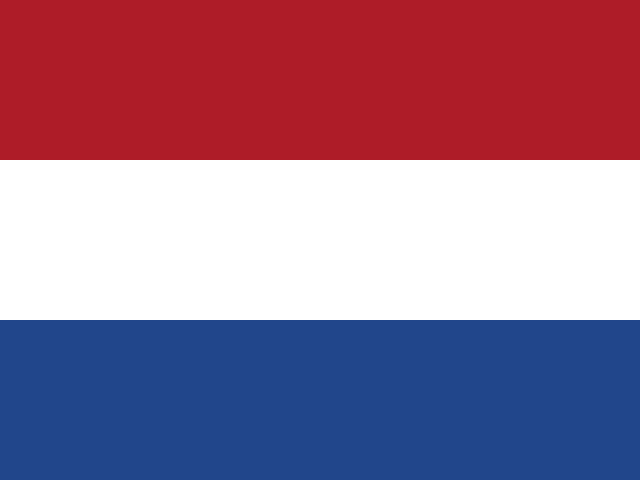
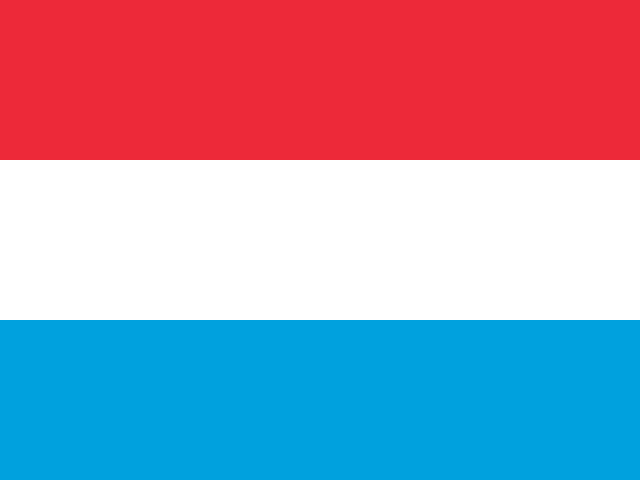
The Netherlands and Luxembourg are both red, white and blue from top to bottom. Luxembourg's blue is a light sky blue and its flag is longer (3:5); the Dutch blue is a deep one. On a card the shade is the thing to look at. Croatia and Paraguay use the same three stripes with arms in the centre — Paraguay's emblem differs on the two sides of the flag, the only national flag that does.
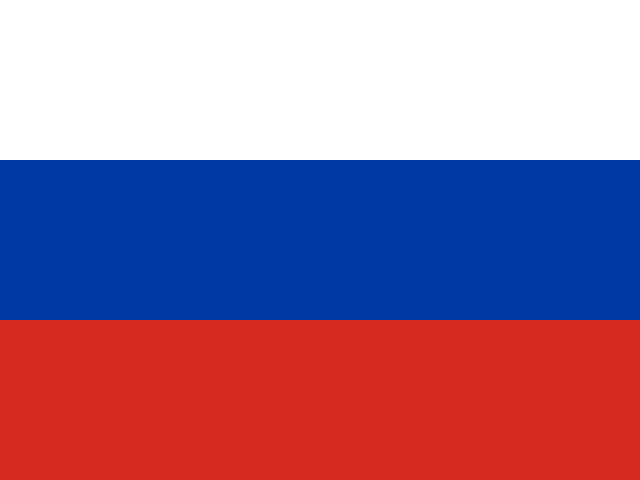
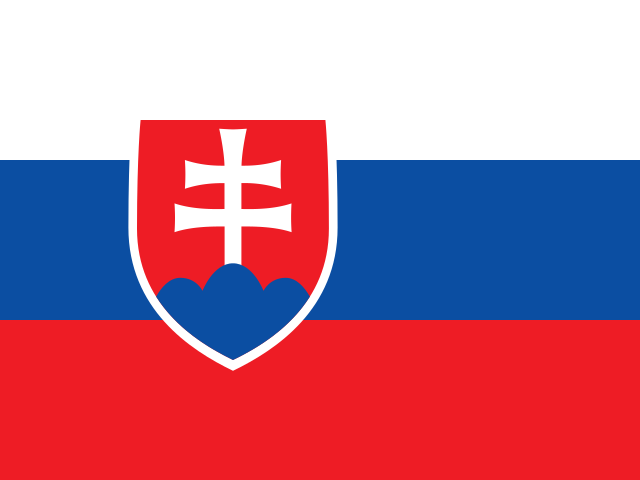
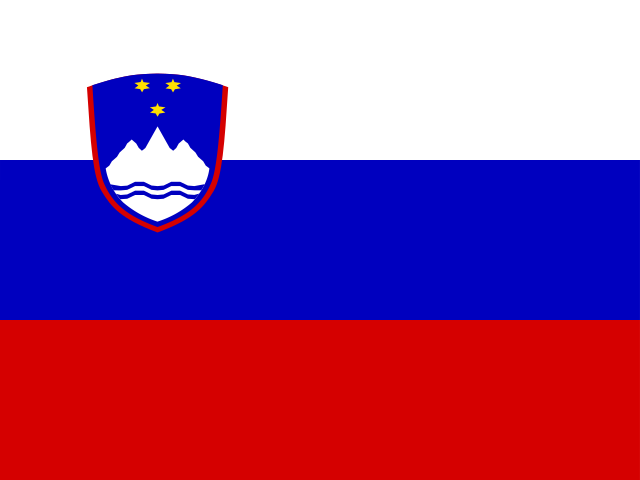
The other order, white, blue and red, is the pan-Slavic set and gives three near-twins. Russia's is plain. Slovakia's adds its arms — a white double cross over three blue hills on a red shield — set towards the hoist, halfway down. Slovenia's puts its arms — Mount Triglav in white with three gold stars above it — in the upper hoist, straddling the white and blue stripes. So: plain is Russia; a shield in the middle of the hoist half, Slovakia; a small shield in the corner, Slovenia. Serbia reverses the order to red, blue, white and adds a double-headed eagle.
Australia and New Zealand
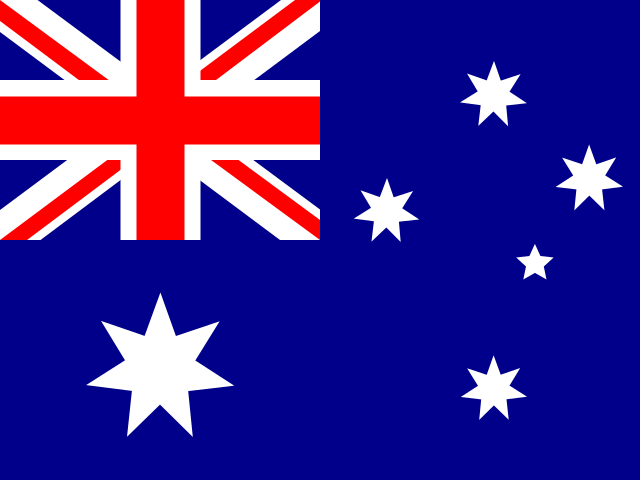
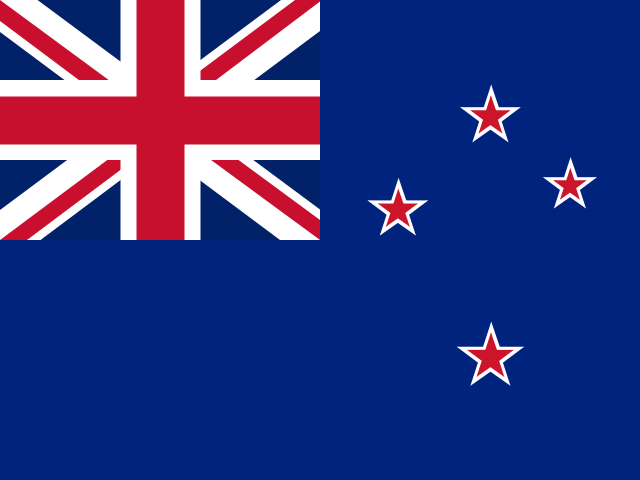
Both are British Blue Ensigns with the Southern Cross in the fly, and both are 1:2. Australia's Southern Cross has five white stars — four with seven points and a small one with five — plus a large seven-pointed Commonwealth Star under the Union Jack. New Zealand's has four red stars with white borders, five-pointed, and nothing under the Union Jack. So: white stars and a big star at the bottom left, Australia; red stars and empty space at the bottom left, New Zealand. The other flags that carry the Union Jack are covered in The Union Jack on other flags.
Mali, Guinea and Senegal
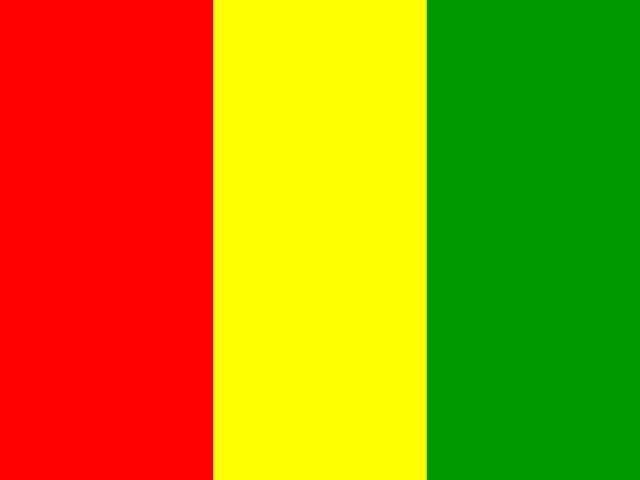
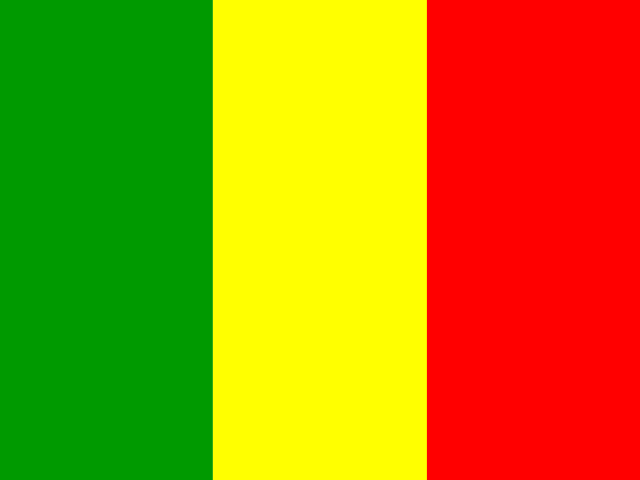
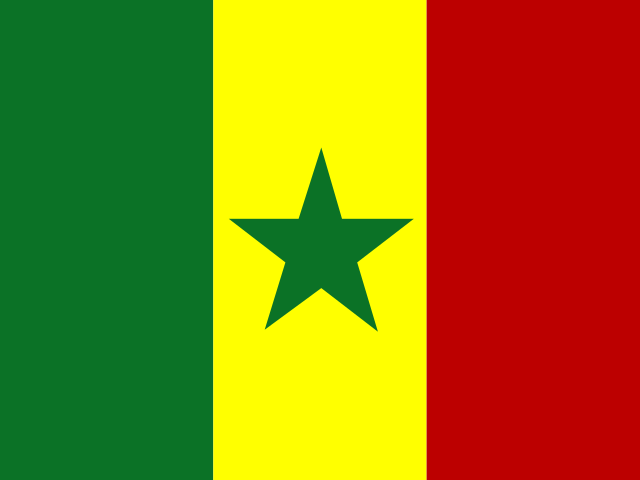
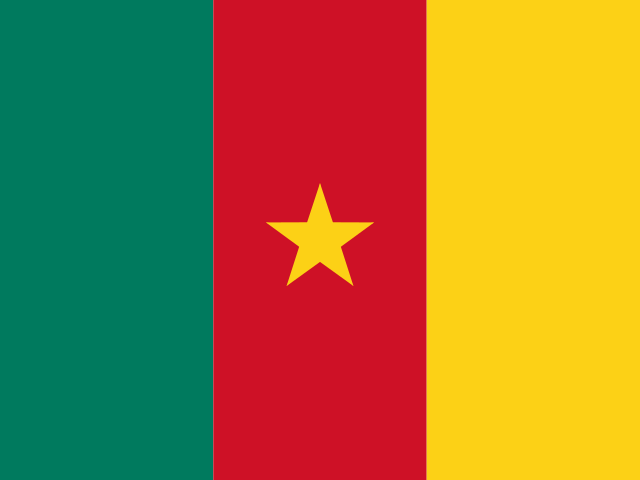
Three vertical tricolours in the pan-African green, yellow and red. Guinea's runs red, yellow, green from the hoist; Mali's runs green, yellow, red — the reverse; Senegal's is the same order as Mali's with a green five-pointed star in the centre. Mali and Senegal were briefly one federation in 1959–60 and shared a flag with a black human figure in the middle; when it split, Senegal put a star in its place and Mali later dropped the figure altogether, which is why the two are so close. Cameroon uses green, red and yellow in that order with a yellow star on the red.
Norway and Iceland
Both Nordic crosses, both with a cross bordered in white, and the colours simply swap: Norway is a red field with a blue cross, Iceland a blue field with a red cross. Which colour fills most of the flag is the whole test. The rest of the family — Denmark, Sweden, Finland, the Faroe Islands and Åland — are told apart in Nordic cross flags.
Colombia, Ecuador and Venezuela
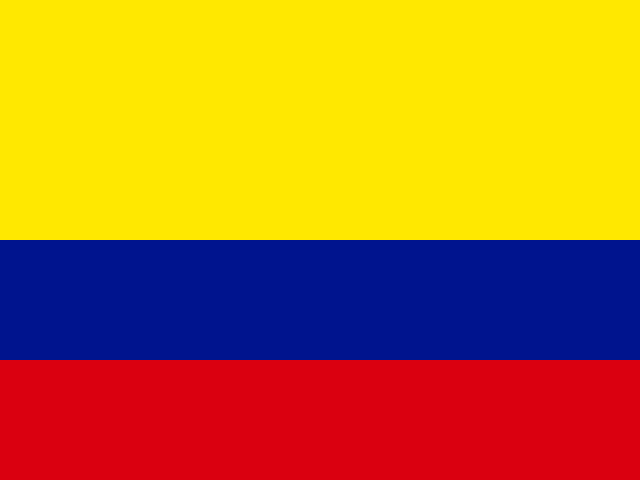
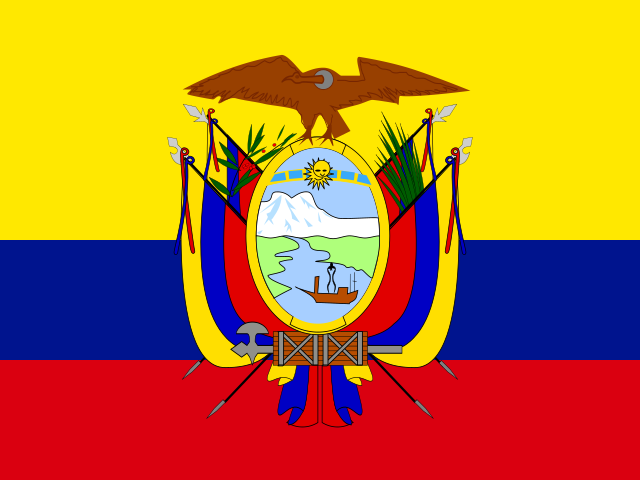
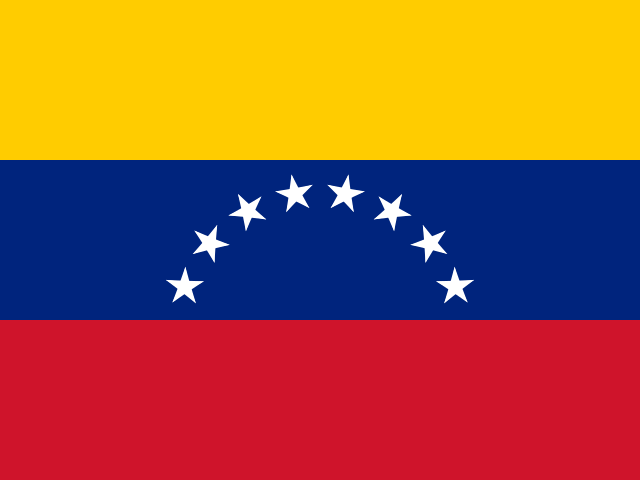
All three come from the flag of Gran Colombia, which they made up together until 1831, and all three are yellow, blue and red from the top. Colombia's yellow takes the top half of the flag, with blue and red in quarter bands below, and it carries nothing else. Ecuador's has the same proportions with the national arms in the centre — a condor over a mountain and a ship. Venezuela's stripes are equal, and the blue one carries an arc of eight white stars.
Bahrain and Qatar
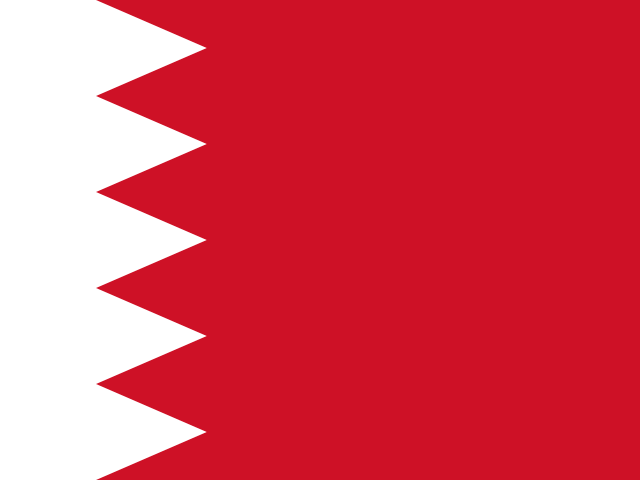
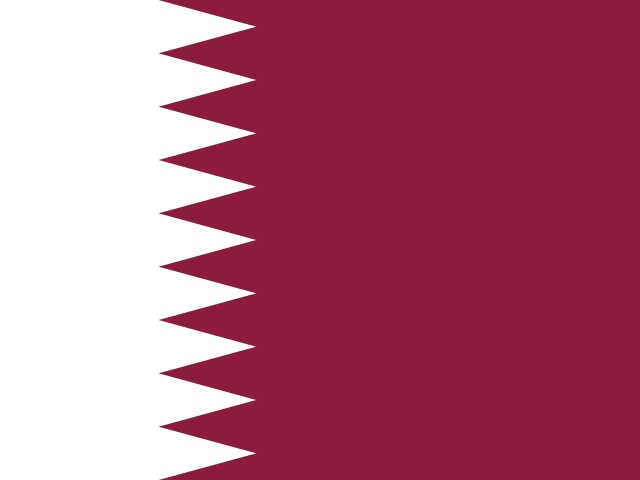
Both have a white band at the hoist joined to the field by a serrated line. Bahrain's field is red and the line has five points; Qatar's is maroon and the line has nine. Qatar's flag is also by far the longer — 11:28, the longest of any national flag, against Bahrain's 3:5 — but on the card colour and count are what you have.
A few more worth pairing
- Liechtenstein and Haiti — both blue over red. Liechtenstein added a gold crown in the upper hoist in 1937, after the two found at the 1936 Olympics that their flags were identical; Haiti's carries its arms on a white panel in the centre.
- Austria and Latvia — red, white, red. Austria's bands are equal and its red bright; Latvia's white band is half the height of the others and its red a dark carmine.
- Argentina and Central America — light blue, white, light blue. Argentina has the Sun of May in the centre; Honduras five small blue stars; El Salvador and Nicaragua their arms, a triangle in each.
- Thailand and Costa Rica — five bands with a double-width middle: blue between white and red for Thailand, red between white and blue for Costa Rica.
- Cuba and Puerto Rico — one design with the colours swapped. Cuba has blue stripes and a red triangle; Puerto Rico, whose flag was modelled on Cuba's, red stripes and a blue triangle.
- Turkey and Tunisia — a crescent and star on red. Tunisia's are red, inside a white disc; Turkey's are white, on the red itself.
Try it
Most pairs turn up together in All flags, where the whole deck goes on the globe and no locked country can help. Thirty flags is the place for the locked-flag trick, and Practice keeps dealing the twin you keep missing until you place it. On the flat Europe map the Nordic crosses and the Slavic tricolours sit side by side. For the method behind pairing, see How to memorise the flags of the world.