Stars, crescents, suns and crosses: flag symbols explained
A symbol on a flag usually says one specific thing: a constellation, a founding legend, a number of states. Knowing which is which makes the flag much easier to place.
The star and crescent
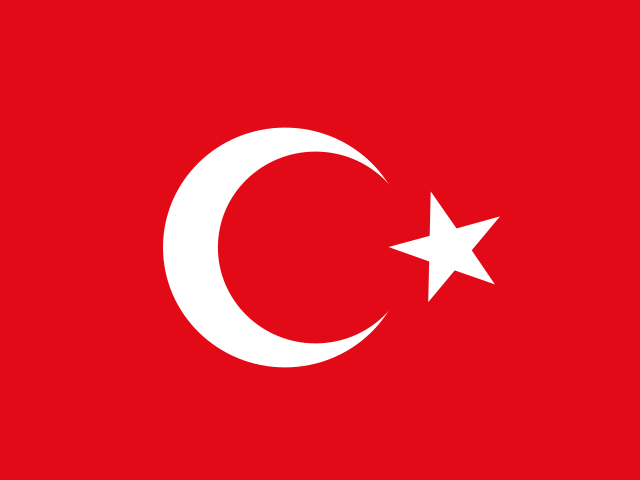
The pairing is far older than Islam and was in use around the eastern Mediterranean in antiquity. It became a flag emblem through the Ottoman Empire, whose red flag with a white crescent and five-pointed star was standardised in 1844 and passed almost unchanged to the Turkish Republic, which fixed it in law in 1936. Through centuries of Ottoman rule the emblem came to be read as Islamic, and a series of twentieth-century flags used it that way.
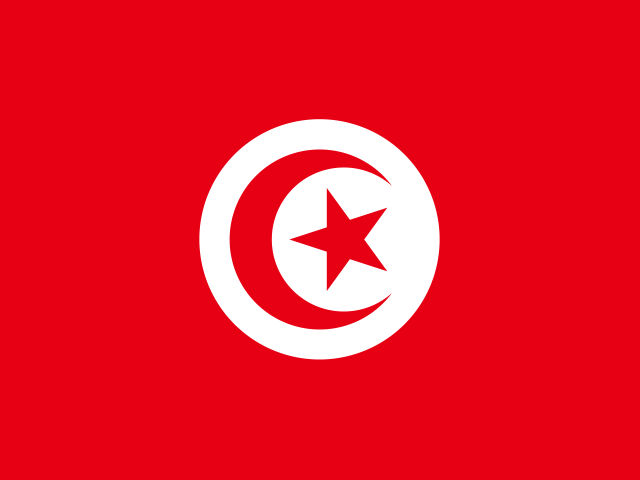
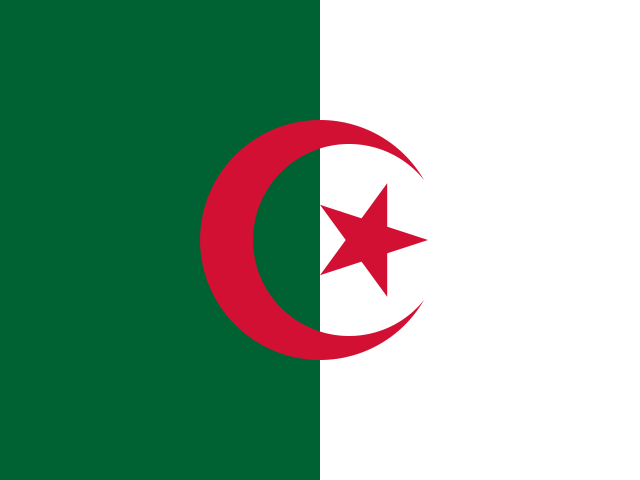
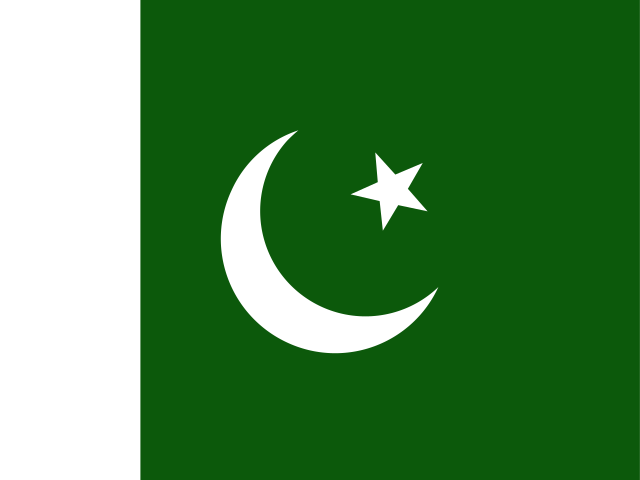
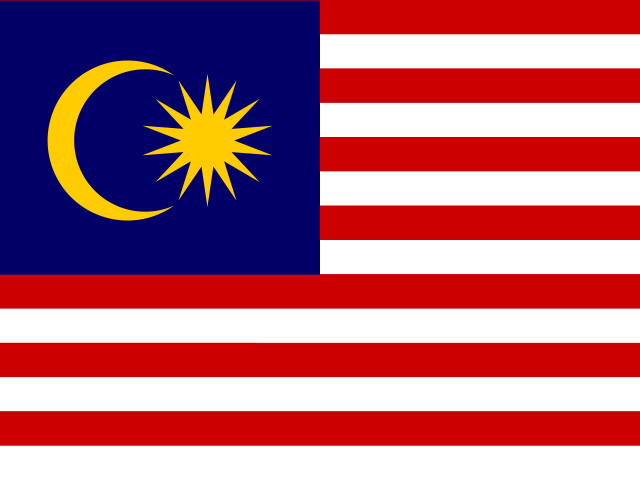
Tunisia's is older than the Ottoman standard itself: a red field with a white disc holding a red crescent and star, adopted in 1831 while the country was still nominally an Ottoman province. Algeria's, adopted at independence in 1962, sets a red crescent and star across the join of green and white halves. Pakistan's dark green field carries a white crescent and star for the Muslim majority, with a white stripe at the hoist for the country's religious minorities. Malaysia's crescent and fourteen-pointed star sit in a blue canton above fourteen red and white stripes, for the thirteen states and the federal territories, in yellow, the colour of its Malay rulers. Singapore has a crescent too, but reads it as a young nation on the rise, with five stars for its ideals.
The Southern Cross
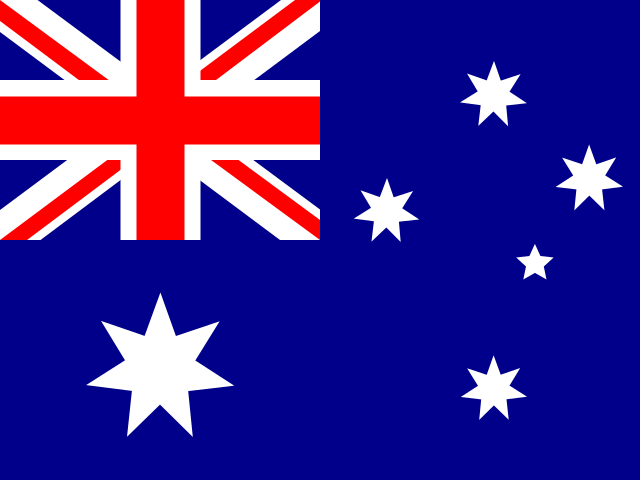
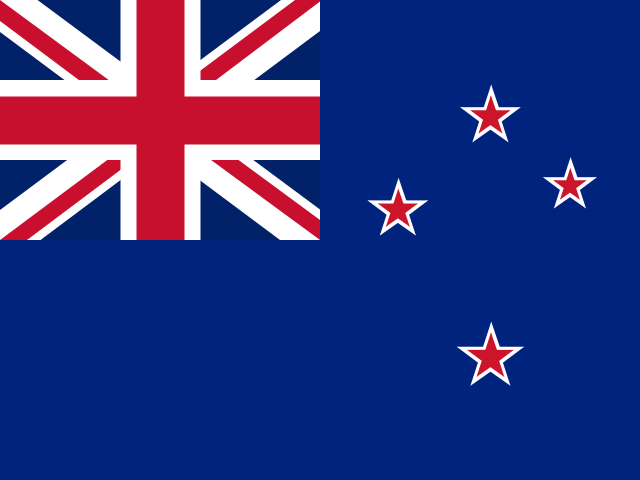
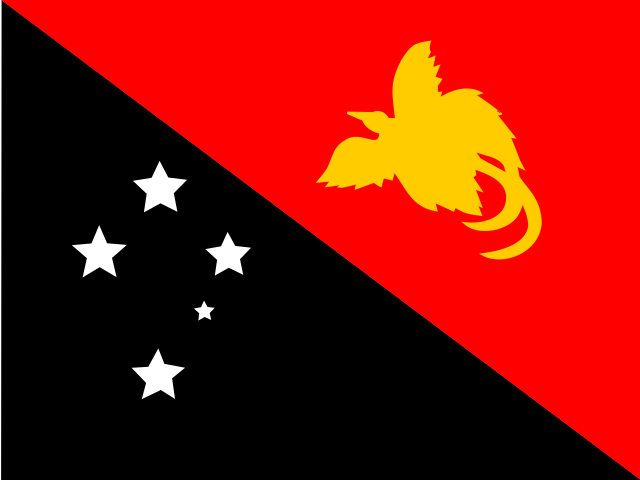
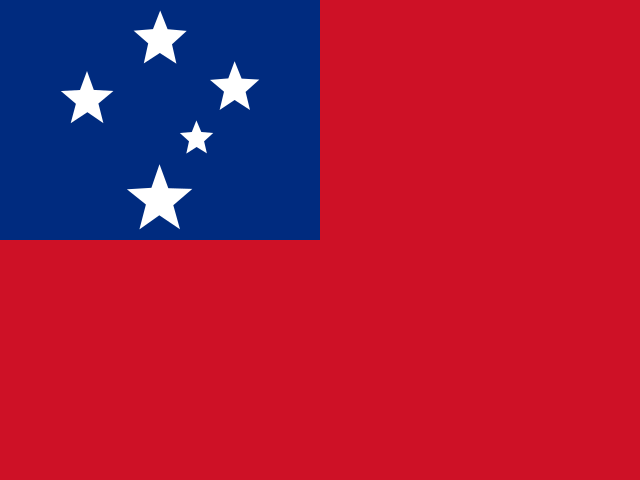
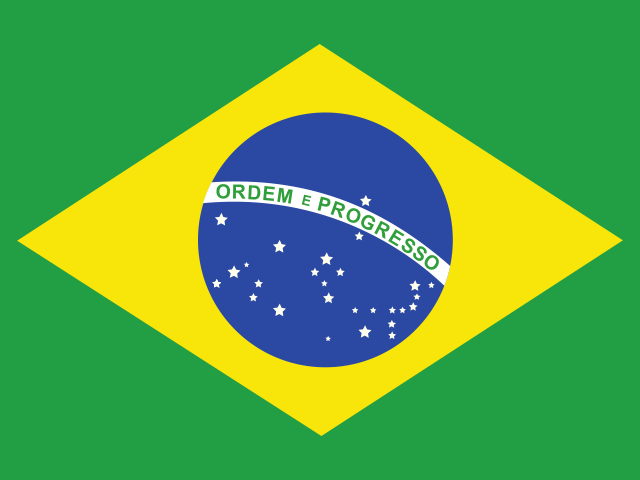
Crux, the small constellation that points the way to the south celestial pole, is on five flags in the deck, and the number and colour of the stars tell them apart. Australia shows six white stars: the Southern Cross in the fly, four seven-pointed stars and one smaller five-pointed one, and beneath the Union Jack the large Commonwealth Star, six points for the states and a seventh for the territories. New Zealand shows only four, red with white edges, and nothing under the Jack. Papua New Guinea, whose flag was designed in 1971 by a fifteen-year-old schoolgirl, Susan Karike, puts five white stars on the black lower half and a yellow bird-of-paradise on the red upper half. Samoa keeps five white stars in a blue canton on red. Brazil's blue globe holds the sky over Rio de Janeiro on the morning of 15 November 1889, the day the republic was proclaimed, with the Southern Cross near the centre and twenty-seven stars in all, one for each state and the Federal District.
Suns
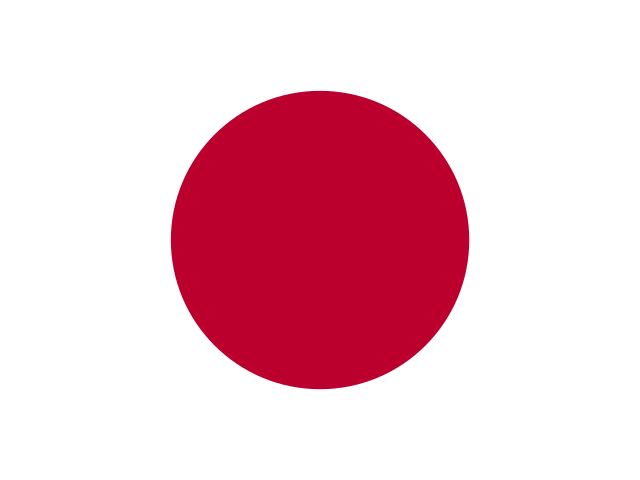
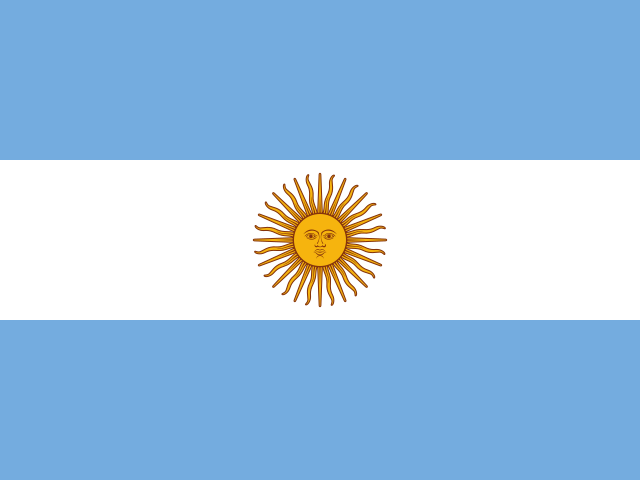
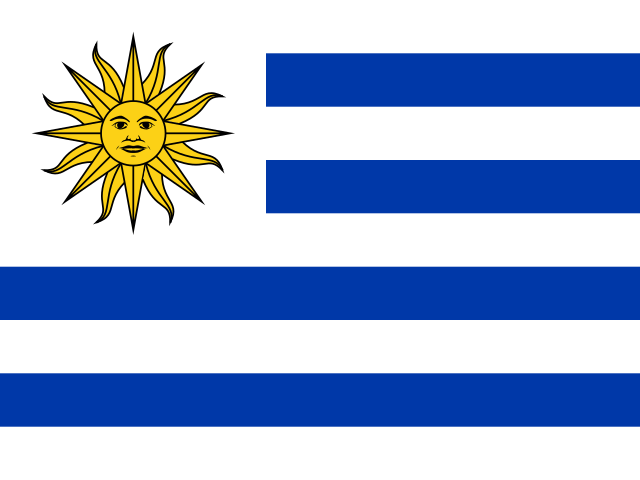
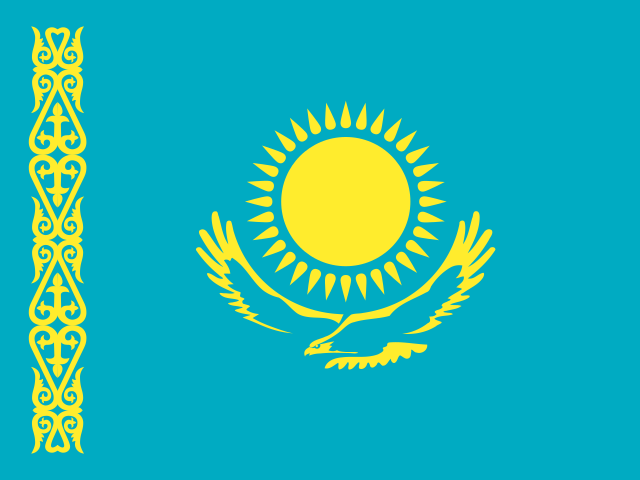
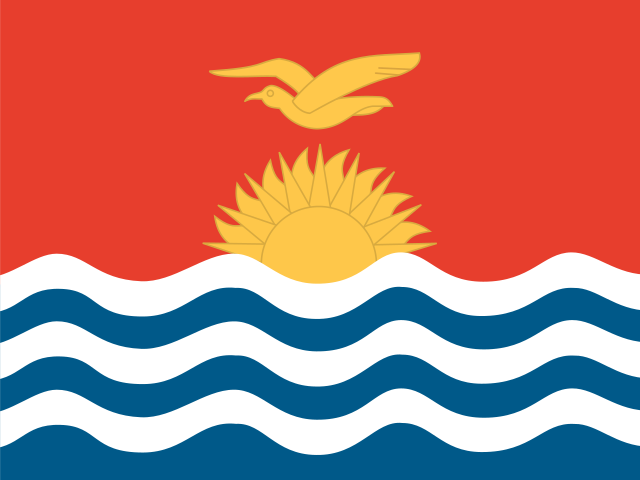
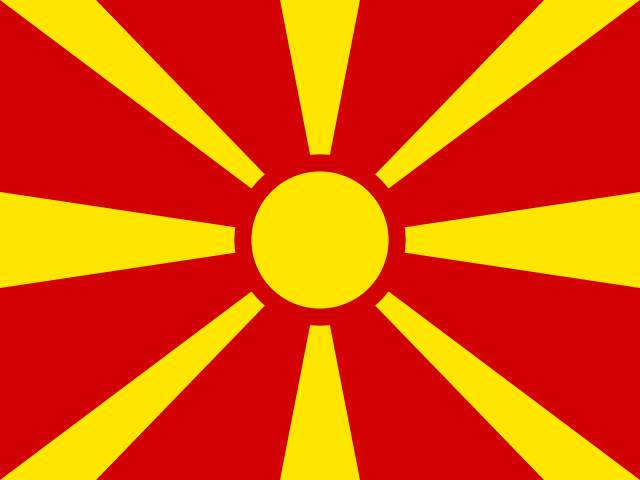
Japan's red disc on white is the sun of the country's own name, which means the sun's origin; it flew on Japanese merchant ships from 1870 and became the legal national flag only in 1999. Bangladesh's red disc on green is usually explained as the sun rising over Bengal, and Palau's yellow disc on blue is not a sun at all but the full moon. The Sun of May on the flags of Argentina and Uruguay is a sun with a face, its rays alternately straight and wavy, commemorating the May Revolution of 1810 that began the break with Spain; Argentina's has thirty-two rays and sits in the middle of the flag, Uruguay's has sixteen and sits in the canton. Kazakhstan's golden sun of thirty-two rays stands over a soaring steppe eagle on sky blue. Kiribati's rises out of the ocean beneath a frigatebird, with seventeen rays for the sixteen Gilbert Islands and Banaba, and three white waves for the country's three island groups. North Macedonia's yellow sun with eight widening rays on red was adopted in 1995 in place of a sixteen-rayed one that Greece objected to. Kyrgyzstan's has forty rays, one for each of the tribes united by the hero Manas, around the crown of a yurt.
Stars that count something
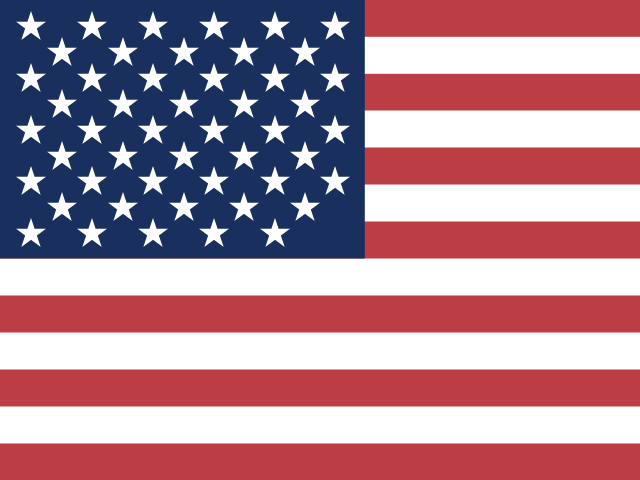
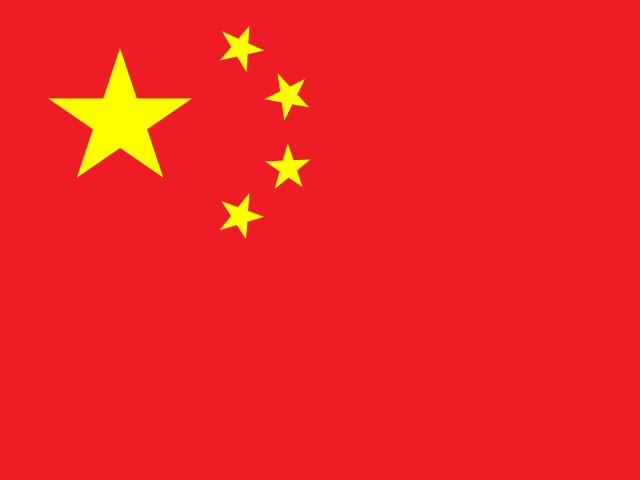
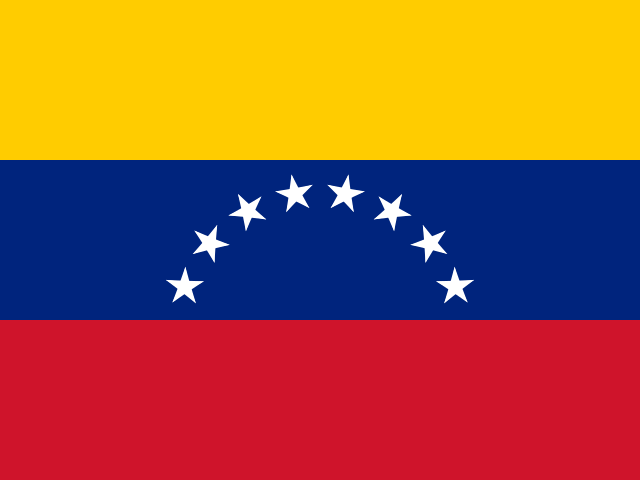
The United States adds a star for every state and has kept thirteen stripes for the original colonies; the fifty-star version dates from 4 July 1960, the first Independence Day after Hawaii joined. Brazil's twenty-seven stars are its states. China's flag, adopted in 1949, has one large star for the Communist Party and four small ones for the four classes of the people it was to lead. Venezuela's eight stars in an arc are the provinces that declared independence, the eighth added in 2006. Cape Verde's ten stars are its islands and Comoros's four are its islands; Somalia's single star has five points for the five territories in which Somalis lived under colonial rule. Ghana's black star is the lodestar of African freedom, taken from the shipping line founded by Marcus Garvey.
Crosses
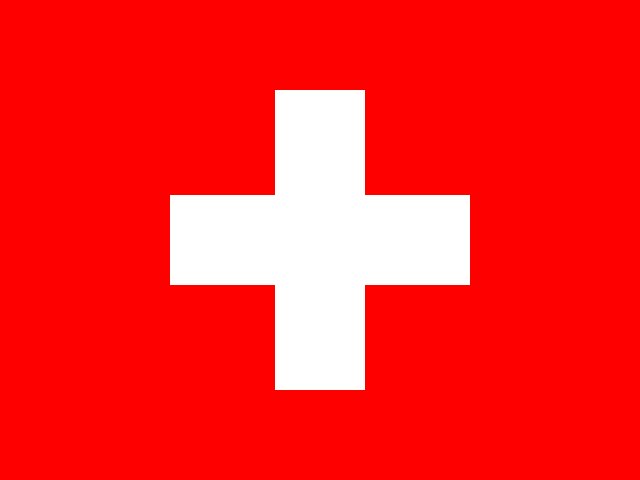
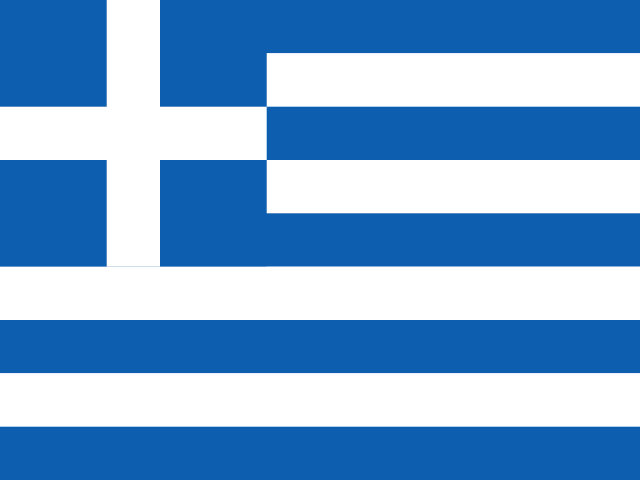
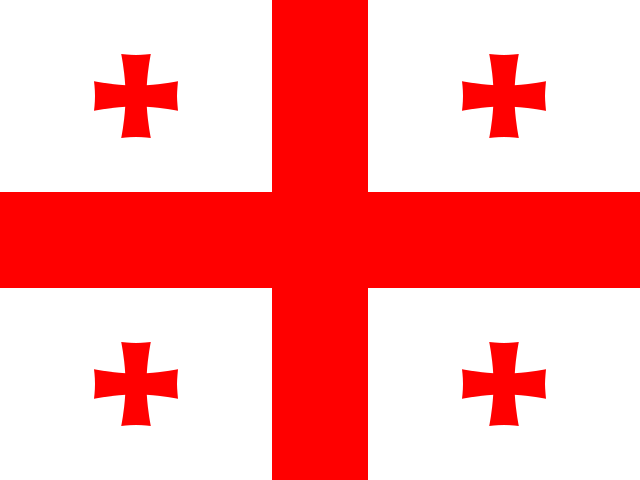
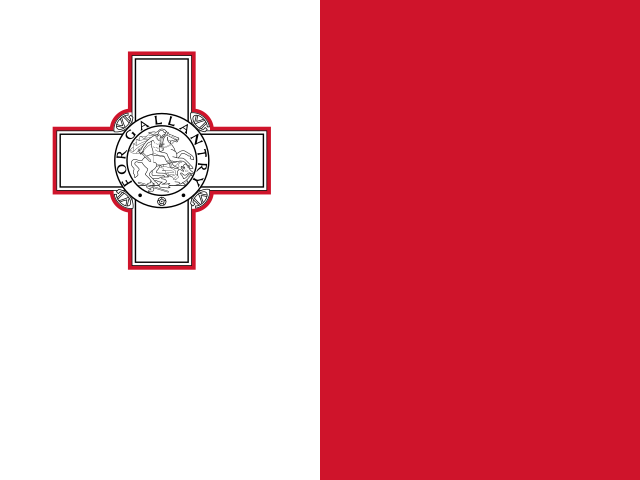
The off-centre crosses of the Nordic countries have a guide of their own, and the three overlaid crosses of the Union Jack another, the Union Jack flags. Switzerland's white cross on red, one of the two square national flags, was reversed to make the emblem of the Red Cross in the 1860s, as a compliment to the movement's Swiss founders. Greece's white cross in the canton stands above nine stripes that popular tradition ties to the nine syllables of the motto “Freedom or Death”. Georgia's five-cross flag, one large red cross and four small ones on white, is a medieval design revived in 2004. Malta's George Cross in the upper hoist is the actual decoration awarded to the island in 1942 for withstanding siege. Tonga's red cross in a white canton and the Dominican Republic's white cross quartering red and blue are both explicitly Christian; the Dominican arms in the centre hold an open Bible.
Weapons and tools
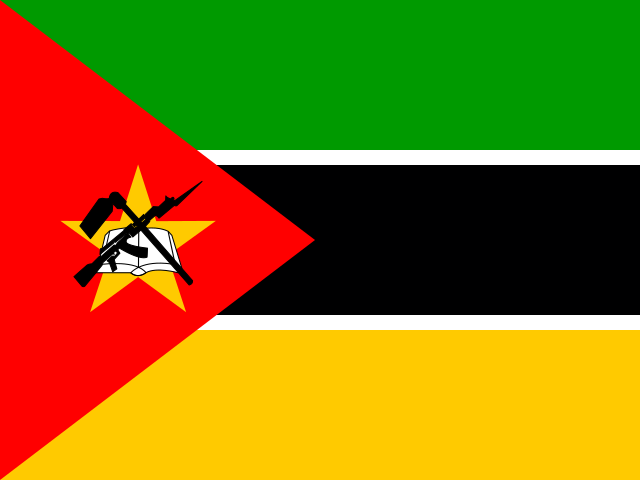
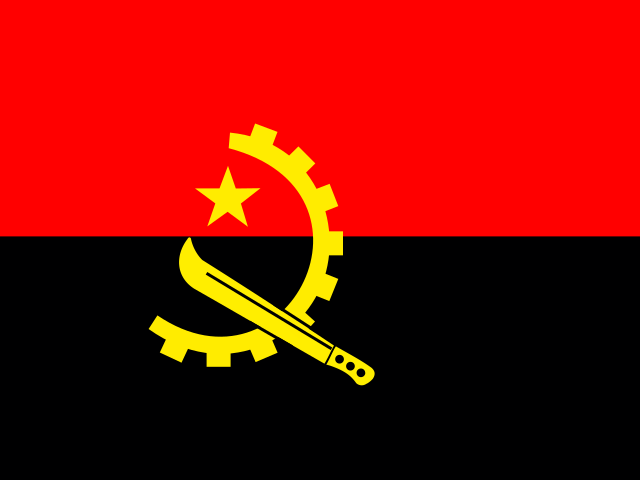
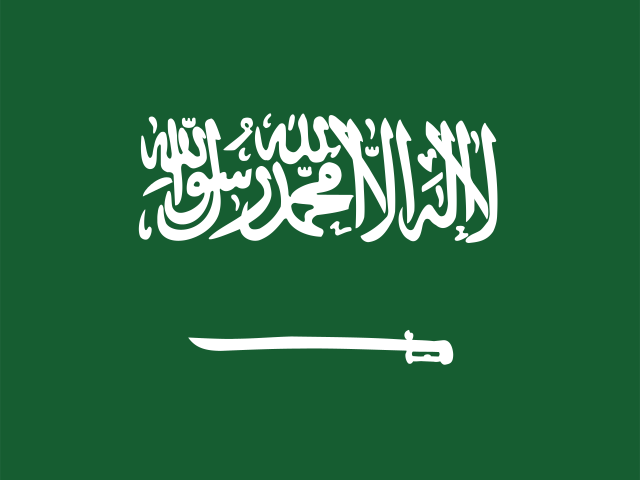
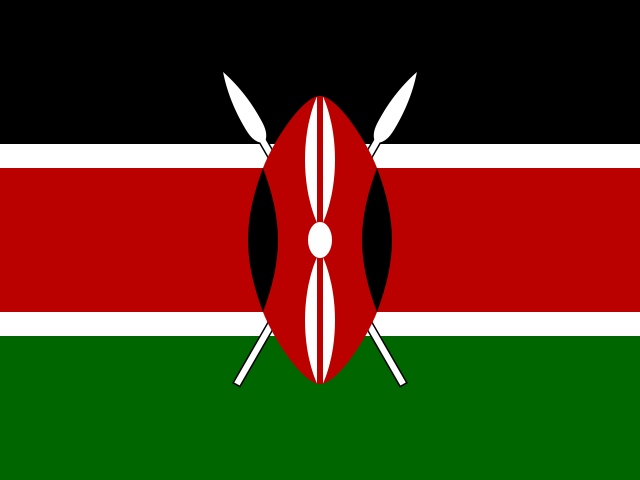
Mozambique's flag is the only national flag to show a modern assault rifle: an AK-47 with a bayonet, crossed with a hoe over an open book on a yellow star, inside a red triangle at the hoist; the state reads them as defence, the peasantry and education. Angola's yellow emblem on red and black is a half cogwheel, a machete and a star, a deliberate African reworking of the hammer and sickle. Saudi Arabia's flag carries the Islamic declaration of faith above a sword, which is why it is made with two identical faces, so that the script reads correctly from either side, and why it is never flown at half-mast. Kenya's has a Maasai shield and two crossed spears. Barbados's trident is a broken one, its shaft snapped off to mark the break from colonial rule. Oman's dagger and swords and Guatemala's crossed rifles sit inside their coats of arms.
Animals and plants
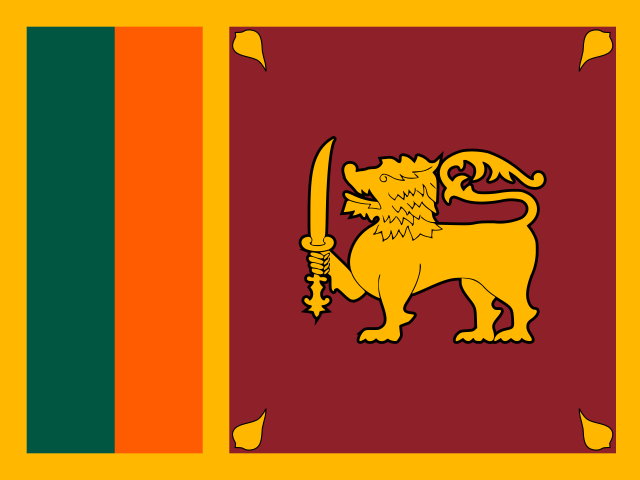
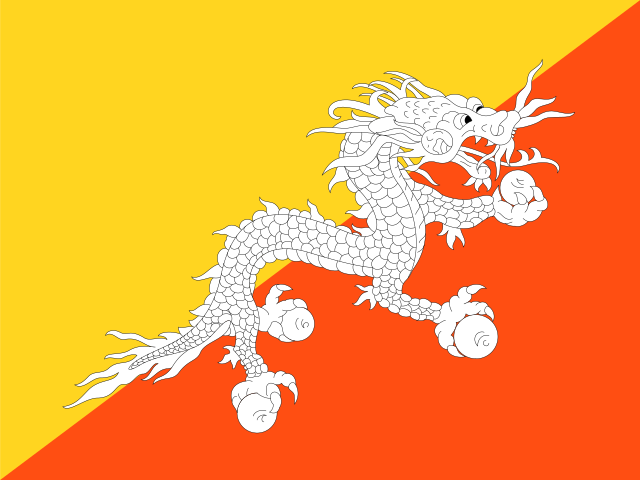
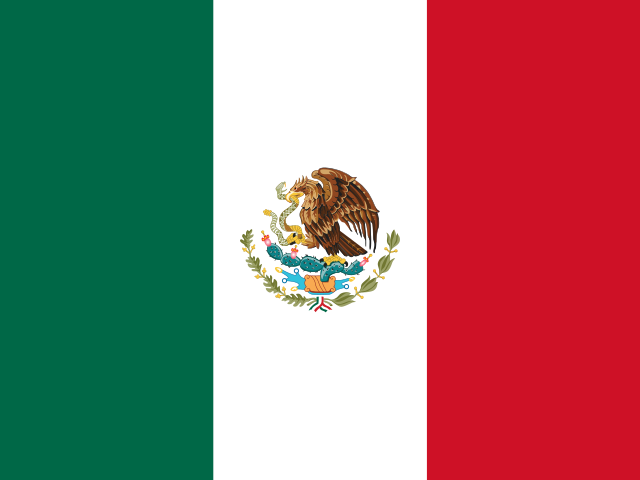
Sri Lanka's gold lion holding a sword stands for the Sinhalese majority, with a bo leaf in each corner for Buddhism and two stripes at the hoist, green and orange, for the Muslim and Tamil communities. Bhutan's white dragon is the Druk of the country's own name, Druk Yul, the land of the thunder dragon, holding jewels in its claws across a field of yellow for the king and orange for the Buddhist tradition. Mexico's eagle on a cactus devouring a snake is the sign that, in Aztec legend, told the Mexica where to found Tenochtitlan, the site of Mexico City. Albania's black double-headed eagle comes from the banner of Skanderbeg. Uganda's grey crowned crane, Zambia's fish eagle, Papua New Guinea's bird-of-paradise and Dominica's Sisserou parrot, one of the very few purple things on any national flag, are all birds of the country.
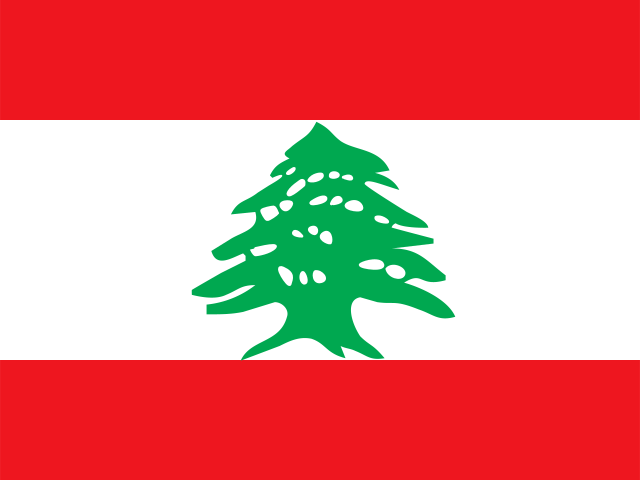
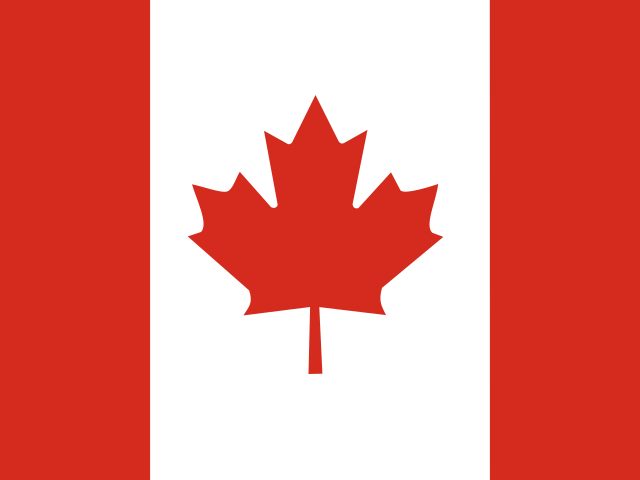
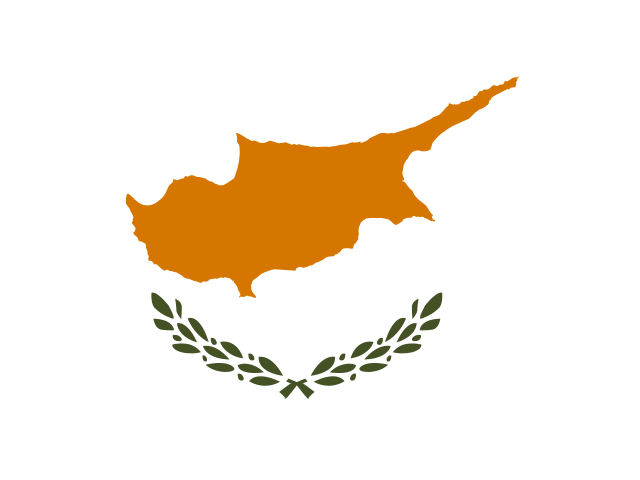
Plants are rarer. Lebanon's green cedar, the tree the country has been known for since antiquity, stands between two red stripes on a flag adopted in 1943. Canada's red maple leaf, with eleven points chosen for legibility rather than meaning, replaced the Red Ensign on 15 February 1965. Grenada has a nutmeg, its main export, at the hoist. Cyprus put neither Greek blue nor Turkish red on its flag of 1960, but its own outline in copper, the metal that took its name from the island, above two olive branches; it remains one of only two national flags to carry a map of the country, and the other, Kosovo's, is not in the deck.
Try it
In Learning every flag opens full size with a card of facts, which is the place to check a symbol before it turns up in a round; All flags deals all 235 of them. On the flat maps, Asia holds most of the star-and-crescent flags and the Americas the suns of May and the counted stars. Flags whose outline rather than their emblem is the clue are in Unusual flag shapes, and the three crosses of the Union Jack in the Union Jack flags.