Pan-African colours: the two palettes
Most African flags are built from one of two sets of colours. One was borrowed from the oldest independent state on the continent, the other from a convention held in New York in 1920.
Ethiopia first
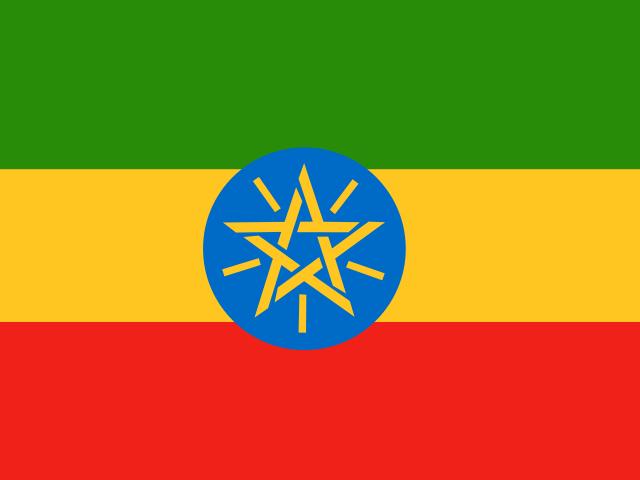
Ethiopia flew green, yellow and red before almost any other African state had a flag to fly. The three horizontal bands were in use by the end of the nineteenth century, under Menelik II, and the country kept its independence through the colonial partition of Africa, apart from five years of Italian occupation from 1936. That made the tricolour the obvious model for the colonies that became independent from 1957 onwards: it was African, it was old, and it belonged to nobody's former ruler. The blue disc with the star in the centre is far more recent; it was added in 1996.
Ghana, 1957
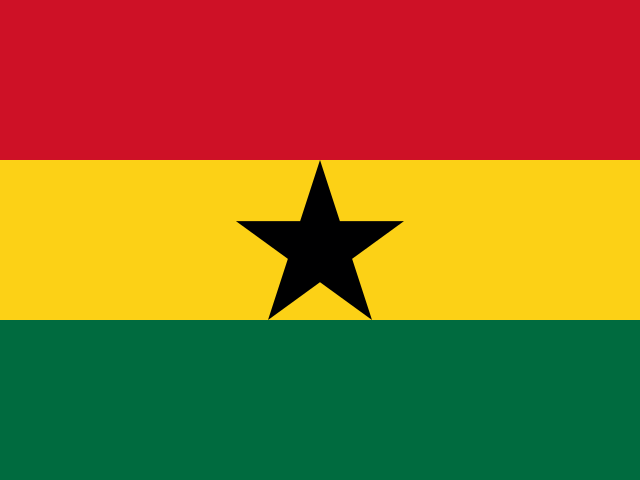
Ghana became independent on 6 March 1957, the first of Britain's colonies in sub-Saharan Africa to do so, and its flag — designed by Theodosia Okoh — took the Ethiopian colours and turned them over: red on top, gold in the middle, green at the bottom, with a black five-pointed star in the centre. The official reading is red for those who died on the way to independence, gold for the country's mineral wealth, green for its forests and farms. The star is the lodestar of African freedom, and it points back across the Atlantic: the shipping line Marcus Garvey founded in 1919 to carry the diaspora home was the Black Star Line. From 1964 to 1966 the gold band was white; the original came back after Nkrumah's fall.
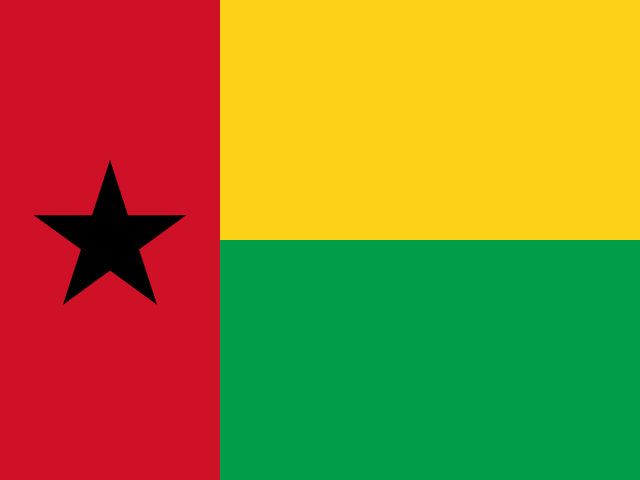
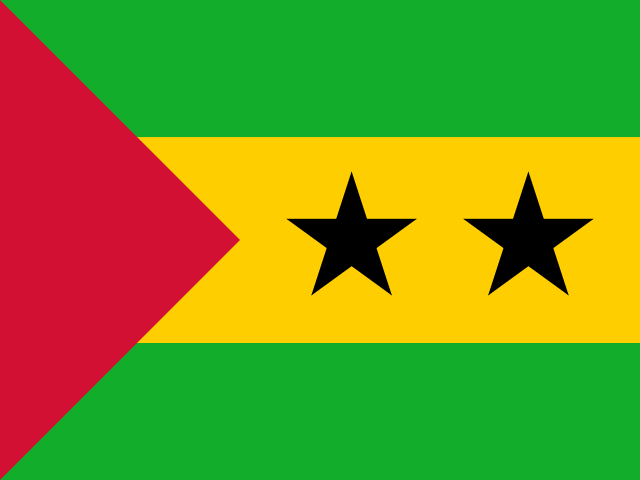
The black star spread with the colours. Guinea-Bissau (1973) puts it on a red vertical band at the hoist, next to yellow over green — the flag of the PAIGC, the party that fought the Portuguese — and until 1992 Cape Verde flew a near-twin of it. Sao Tome and Principe (1975) has two black stars on a yellow band between two green ones, with a red triangle at the hoist: one star for each island.
The West African look-alikes
The trap is the run of vertical tricolours along the West African coast. Guinea (1958) is red, yellow, green from the hoist. Mali (1961) is the mirror image: green, yellow, red. Senegal (1960) is Mali with a green star in the middle band. Cameroon is green, red, yellow, with a yellow star on the red — it began with two stars in the green band, one for each federated part, and went to a single star in 1975. Band order and the star are all there is to go on.
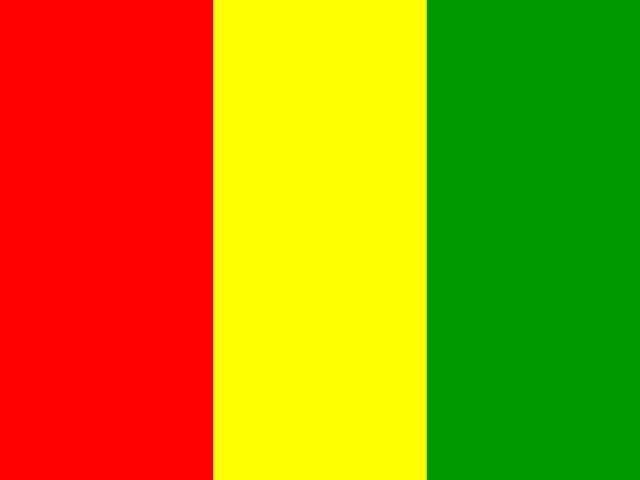
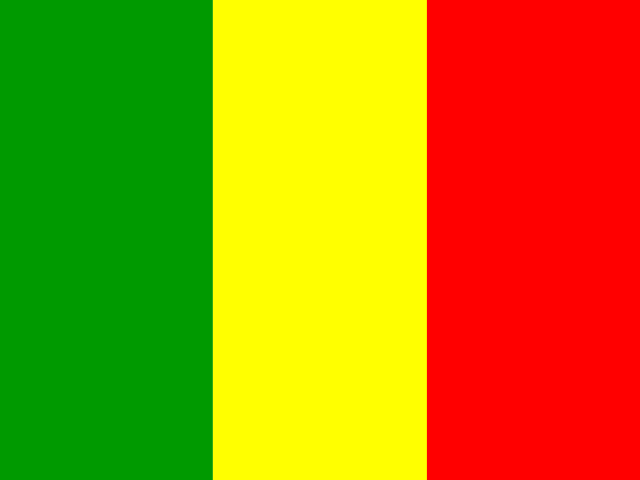
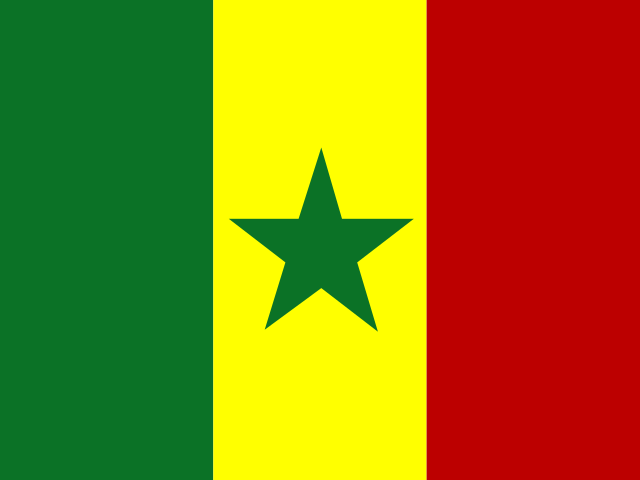
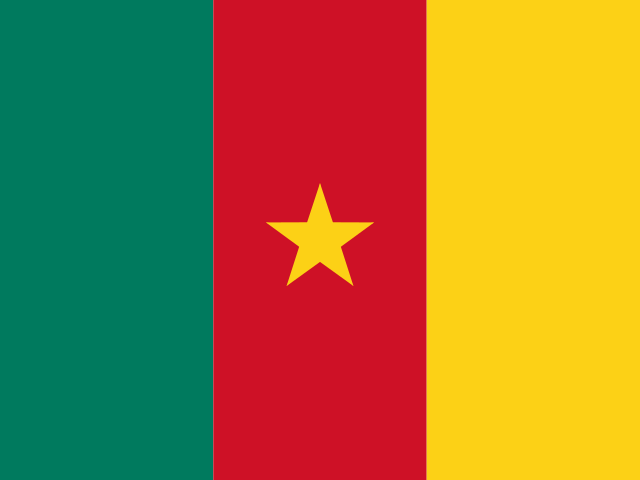
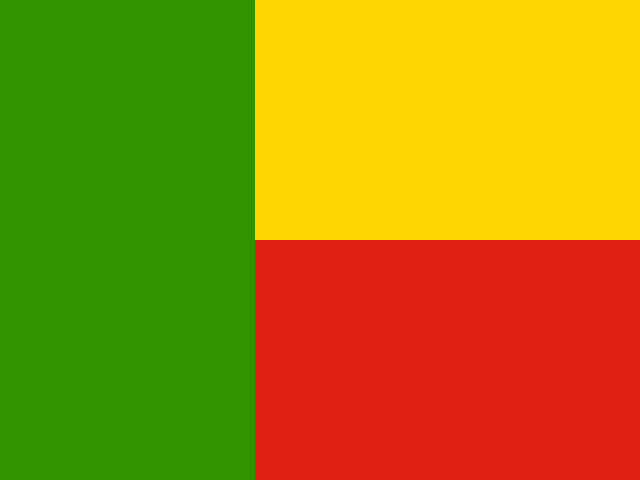
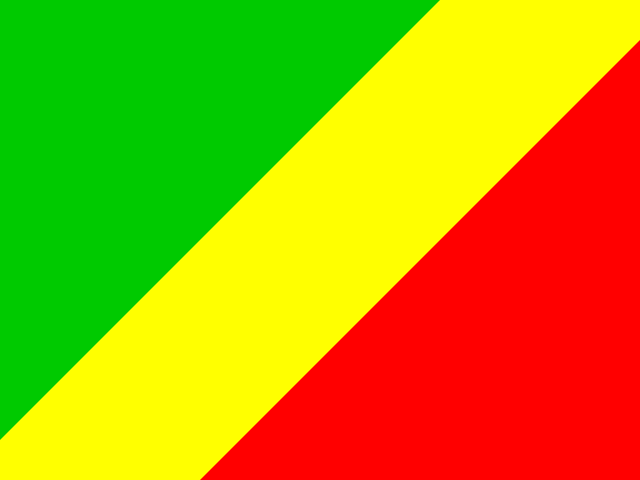
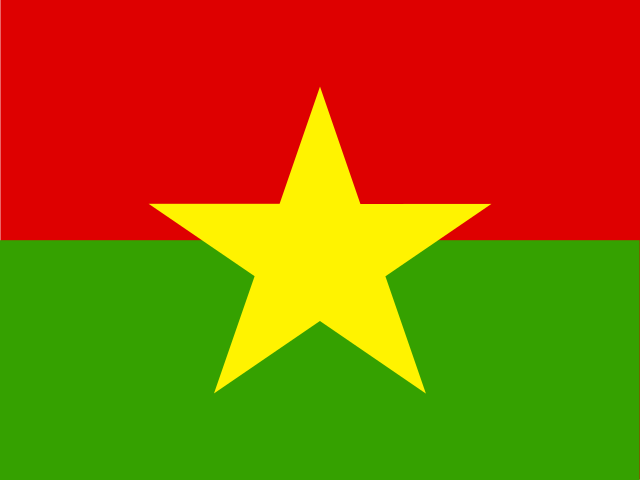
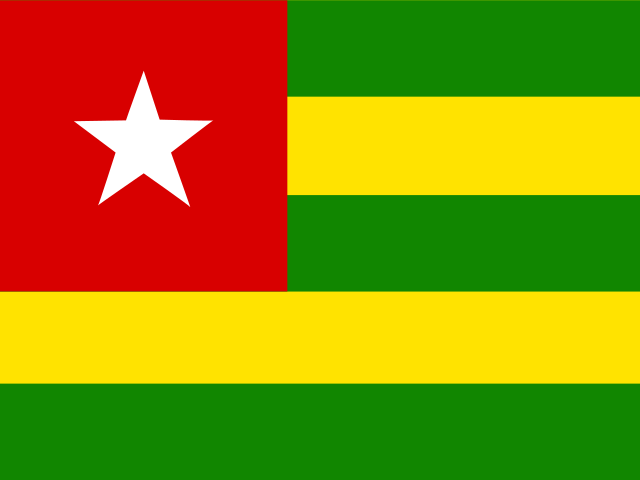
Four more take the colours off the vertical stripes. Benin is yellow over red with a green band at the hoist — adopted in 1959, replaced under the People's Republic from 1975 by a green flag with a red star, restored in 1990. The Republic of the Congo runs its yellow band diagonally between a green upper-hoist triangle and a red lower-fly one; it too spent 1970 to 1991 under a red flag. Burkina Faso, red over green with a yellow star, dates from 1984, when Thomas Sankara renamed Upper Volta and dropped its black, white and red stripes, which had stood for the three Volta rivers. Togo (1960) does it in stripes: five of green and yellow, a red canton, a white star.
Garvey's red, black and green
The second palette has a birthday. In August 1920 the Universal Negro Improvement Association, Marcus Garvey's movement, met in convention in New York and adopted red, black and green as the colours of the African peoples — in the usual reading, red for the blood shed, black for the people, green for the land. It was a diaspora flag before it was any country's, and it reached Africa through the independence parties.
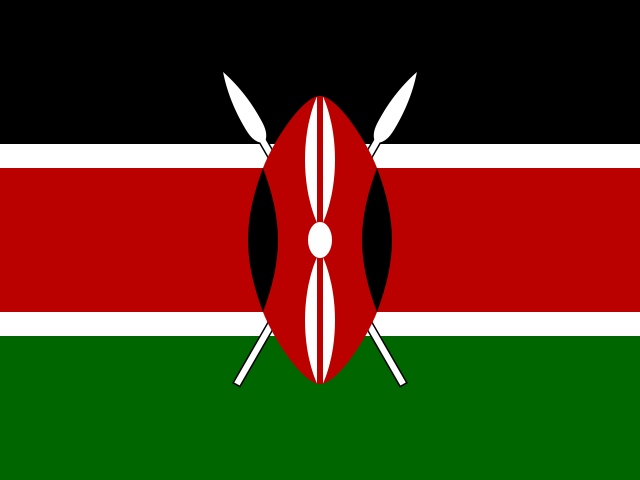
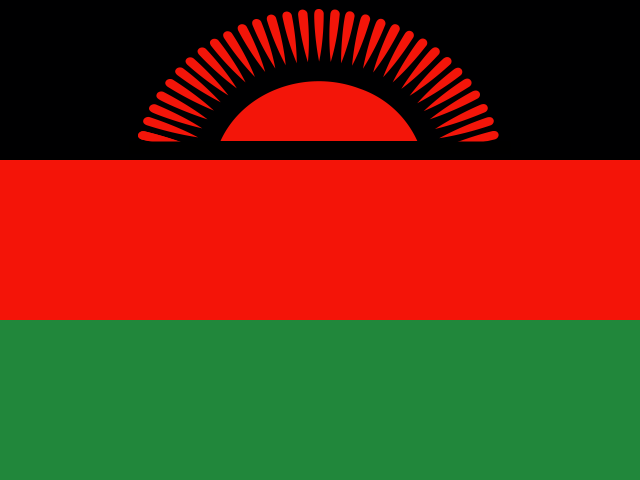
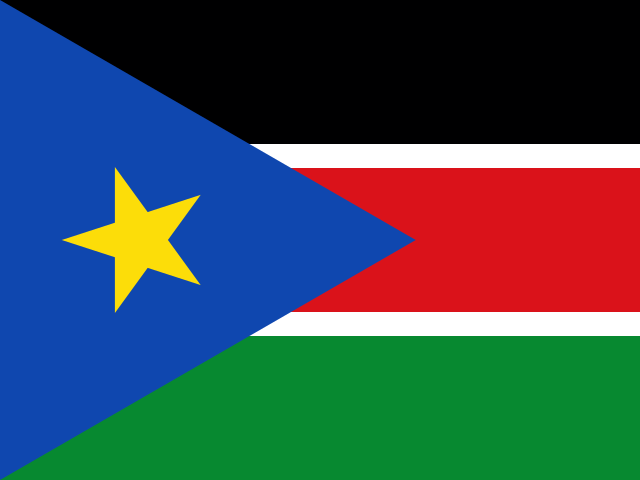
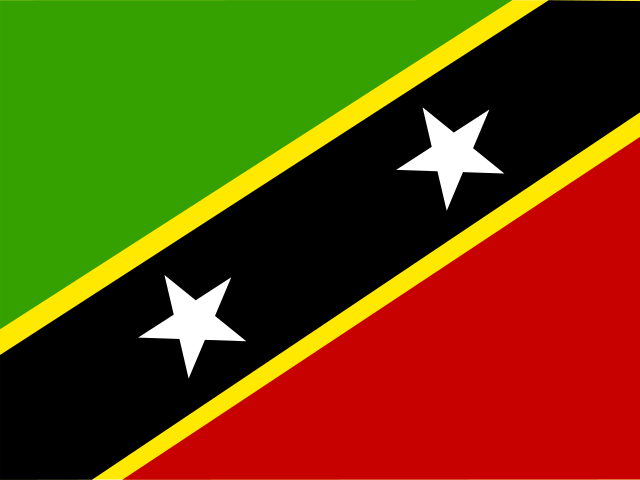
Kenya's flag (1963) is the flag of KANU, the party that led the country to independence — black, red and green in horizontal bands — with thin white stripes added between the bands and a Maasai shield and two spears in the centre. Malawi (1964) is black, red and green with a rising red sun on the black band; from 2010 to 2012 it briefly flew red, black, green with a full white sun in the centre, then went back. South Sudan's black, red and green with white stripes was the SPLM's flag before it was a state's; the blue triangle with the gold star at the hoist is its own. Saint Kitts and Nevis carries the black band diagonally between a green and a red triangle.
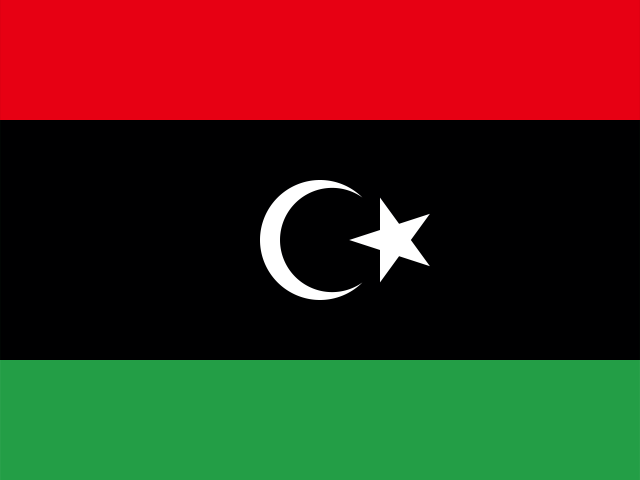
Libya's flag looks as if it belongs here and does not. Its red, black and green bands are those of the Kingdom of Libya's flag of 1951, restored in 2011 after more than three decades of Gaddafi's plain green — the only national flag there has ever been of a single colour and nothing else. The wide black band with the white crescent and star was the banner of the Senussi order in Cyrenaica; the red and green are usually explained as Fezzan and Tripolitania, the kingdom's other two provinces. Garvey had nothing to do with it.
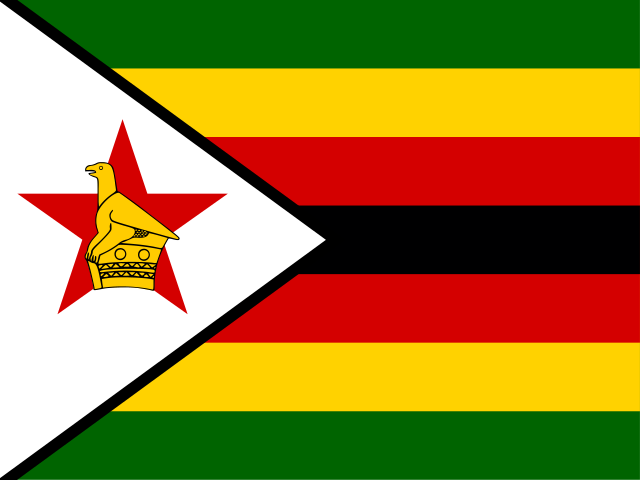
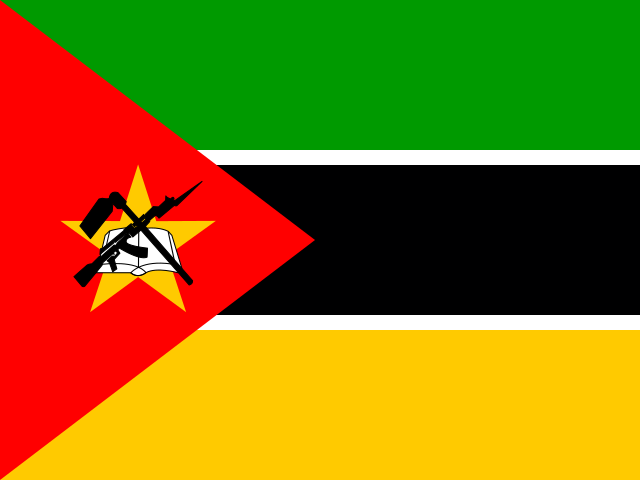
Two flags use both palettes at once. Zimbabwe (1980) stacks green, yellow, red and black in seven stripes and adds a white hoist triangle with the Zimbabwe Bird and a red star. Mozambique's current flag (1983) runs green, black and yellow with a red hoist triangle — and, alone among national flags, an AK-47 on it, crossed with a hoe over an open book.
The flags that said no
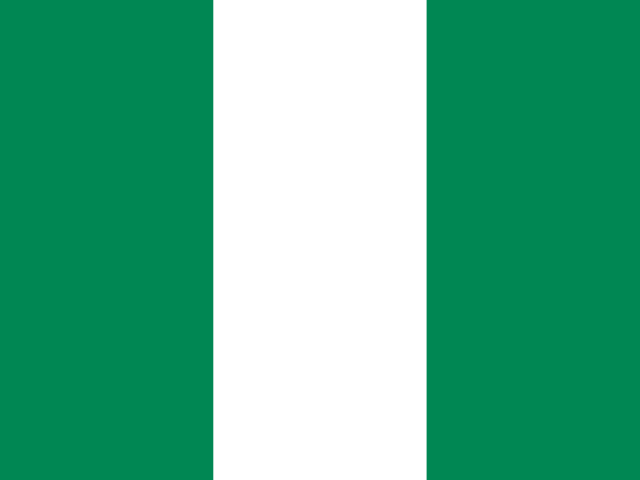
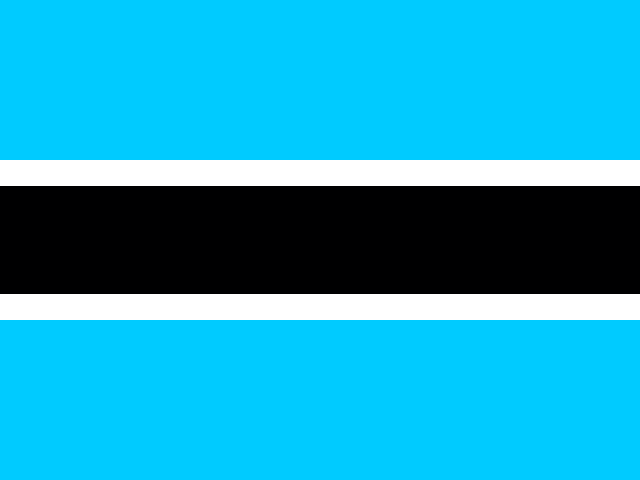
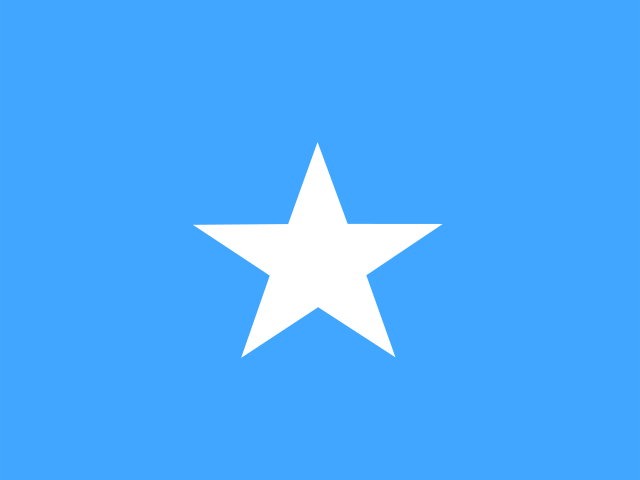
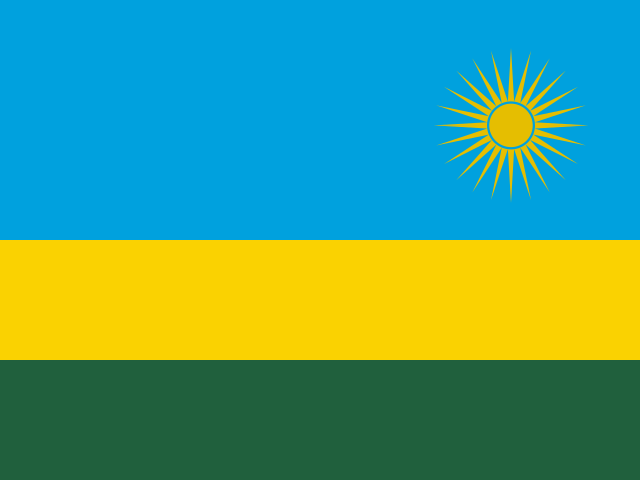
Not every new state wanted the family colours. Nigeria (1960) chose green, white, green — the winner of a design competition — and no red at all. Botswana (1966) took light blue for rain, with a black band between two white ones for the zebra and for a country that meant to be multiracial next door to apartheid South Africa. Somalia's light blue with a white star is the blue of the United Nations, which administered the territory as a trusteeship. Sierra Leone is green, white and blue; Tanzania green and blue split by a black diagonal, without a red anywhere. Rwanda went the other way: it flew red, yellow and green with a black R until 2001, then chose blue, yellow and green after the genocide, because red had come to mean bloodshed.
Across the Atlantic
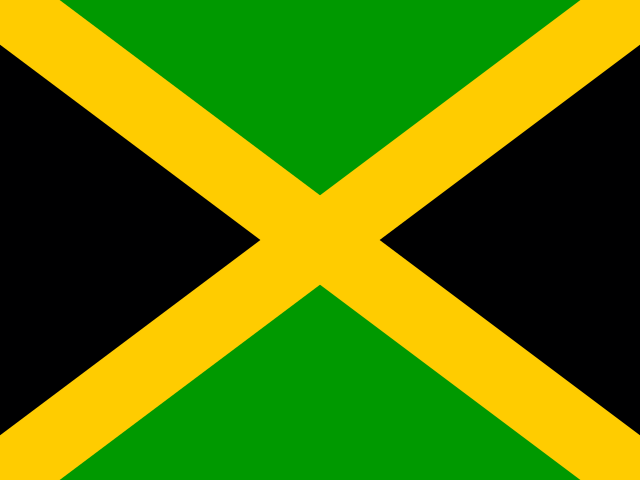
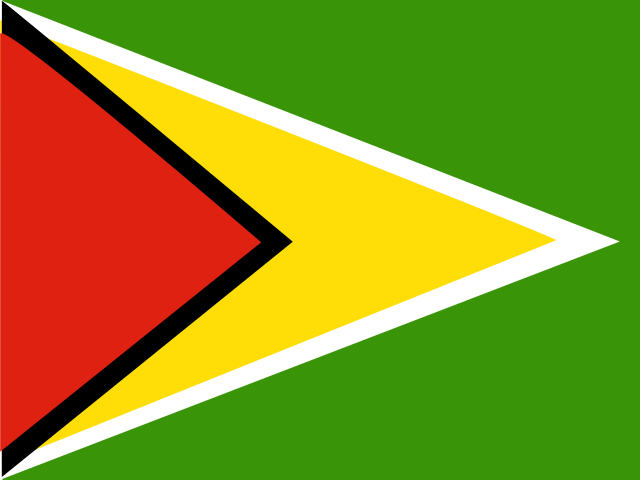
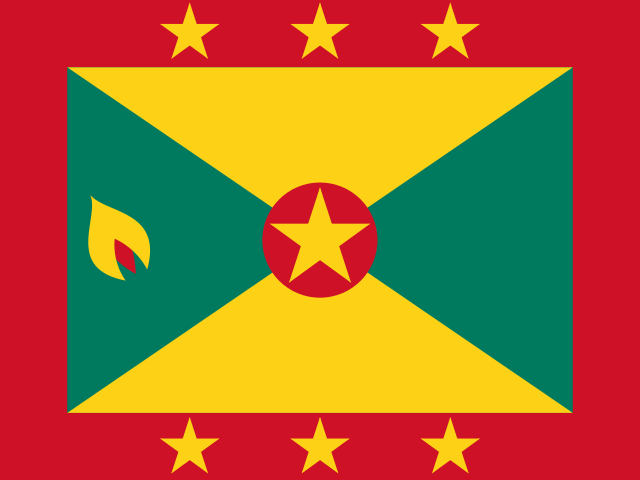
Ethiopia's colours crossed to the Caribbean with the Rastafari movement, which reveres Haile Selassie, and reggae made red, gold and green look Jamaican to the rest of the world. Jamaica's own flag is nothing of the kind: a gold saltire dividing green and black, adopted in 1962, and today the only national flag with no red, white or blue in it. Garvey was Jamaican, but his red, black and green is not on his country's flag either. The colours that did make it onto Caribbean flags are the Ethiopian three: Guyana's green field with a red triangle and the golden arrowhead (1966), Grenada's red border, yellow stars and nutmeg (1974), and Saint Kitts and Nevis (1983), which mixes them with Garvey's black band.
Try it
The Africa map puts all fifty-five flags side by side, where the West African tricolours have to be told apart. Learning shows any country's flag on a click, and Practice deals only the ones you have not placed yet. Related: Flags that look alike and Pan-Arab colours.