Tricolours: why so many flags have three stripes
Three equal stripes are the most copied design in the deck. Two flags started it, one horizontal and one vertical, and the copies still sort into those two families.
The Dutch start
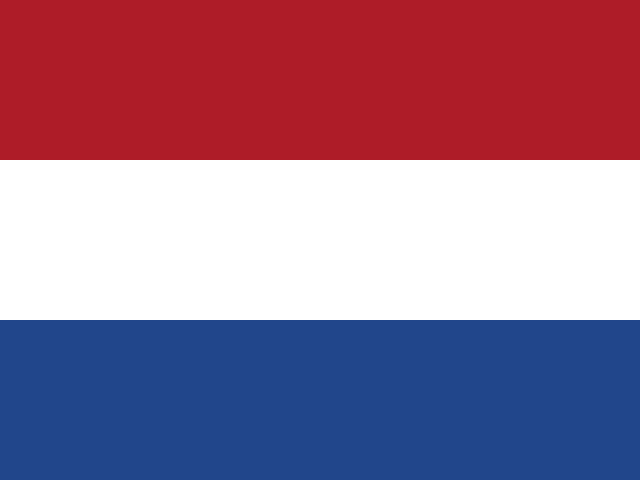
The oldest tricolour still flying is the Dutch one. During the revolt against Spain in the late sixteenth century the rebels flew the Prince's Flag: orange, white and blue, the livery colours of William of Orange. By the middle of the seventeenth century red had replaced the orange, for reasons still argued over; the usual explanations are that orange dye faded towards red in any case and that red was easier to see at sea. The red-white-blue was confirmed by royal decree in 1937, with orange surviving as a pennant flown above the flag on royal occasions.
The Dutch flag was the flag of a republic of merchants, not of a king, and that is what made it a model: it could be copied without copying a dynasty. Peter the Great, who spent 1697 and 1698 in the Netherlands learning shipbuilding, gave Russia a white, blue and red flag for its ships that has always been traced to that visit, and it became the root of a second family of horizontal tricolours, told in the guide to the pan-Slavic colours.
The French turn
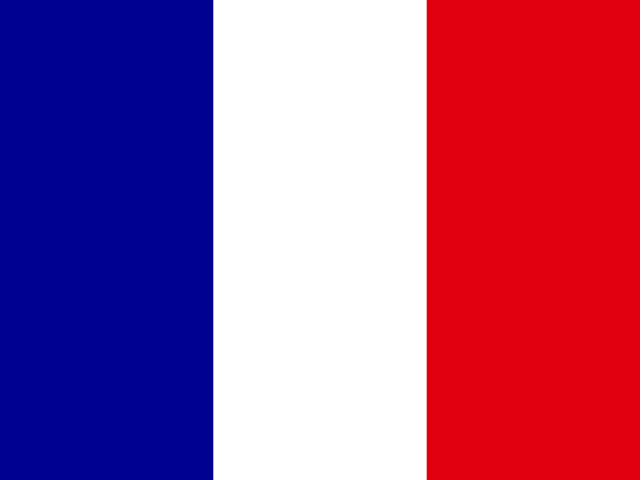
The French tricolour began as a cockade in 1789: the blue and red of the city of Paris around the white of the king. As a flag it was adopted in 1790 with red at the hoist; the order was reversed to blue, white, red in 1794, in a design credited to the painter Jacques-Louis David. The restored Bourbons replaced it with a plain white flag from 1815 to 1830, and the July Revolution of 1830 brought it back for good.
Two things travelled with it. One was the idea: a flag of the nation rather than of a ruling house, cheap to make from three strips of cloth and legible across a battlefield. The other was the vertical layout, which set it apart from the Dutch original at a glance. Where French armies and French ideas went, vertical tricolours followed.
The vertical family
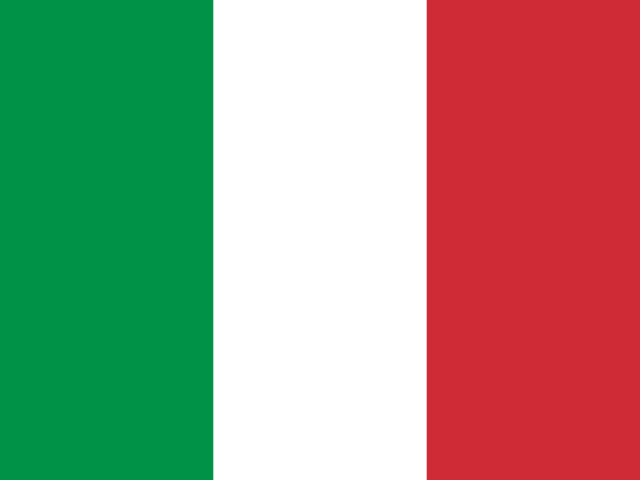
Italy's green, white and red was first adopted by the Cispadane Republic, a French client state in the north of the peninsula, on 7 January 1797, a date Italy still marks as Tricolour Day. The kingdom put the arms of Savoy in the centre in 1861; the republic removed them in 1946, and the plain tricolour is written into the constitution of 1948.
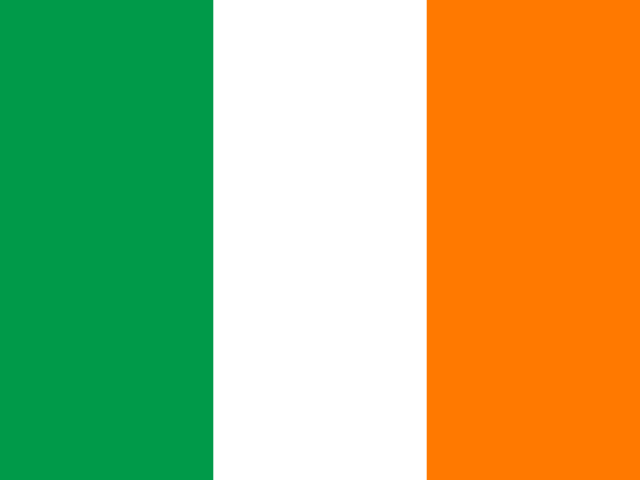
Ireland's green, white and orange was presented in 1848 by Thomas Francis Meagher, who had brought it back from Paris in the year of revolutions: green for the Gaelic and Catholic tradition, orange for the Protestant followers of William of Orange, white for the peace between them. It flew over the General Post Office in the Easter Rising of 1916 and became the flag of the Free State in 1922.
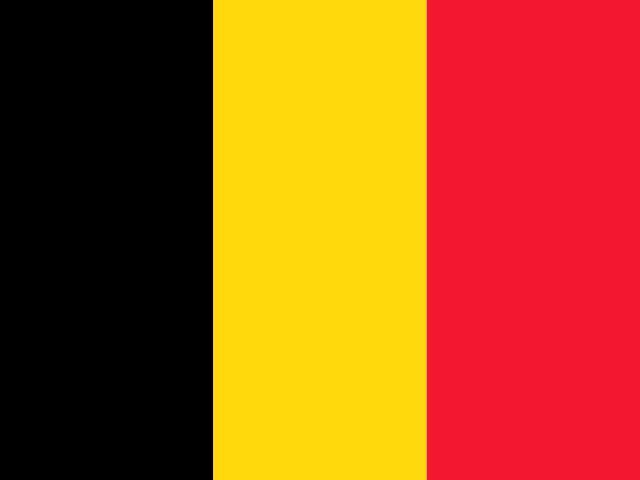
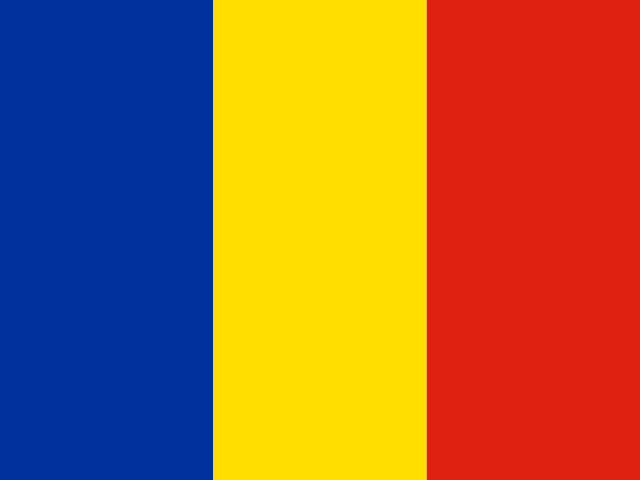
Belgium's black, yellow and red are the colours of the arms of Brabant, a gold lion with red claws and tongue on black. They were taken up in the revolution of 1830, at first in horizontal stripes, and turned vertical in 1831. Romania's blue, yellow and red were the colours of the 1848 revolution in Wallachia and of the united principalities that followed; the communist state put its emblem in the centre, and in December 1989 the crowds cut it out, leaving flags with a hole in the middle until the plain tricolour was restored.
The horizontal family
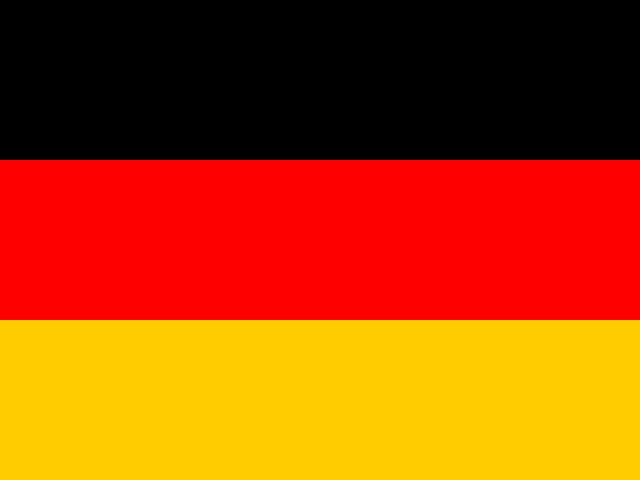
Germany's black, red and gold came out of the wars against Napoleon: the black coats with red facings and gold buttons of the Lützow Free Corps, then the colours of the student fraternities, of the Hambach Festival of 1832 and of the Frankfurt Parliament of 1848. The empire of 1871 preferred black, white and red; the Weimar Republic went back to black-red-gold in 1919, and both German states readopted it in 1949. East Germany added its hammer-and-compasses emblem in 1959, so that for thirty years the plain flag meant the West.
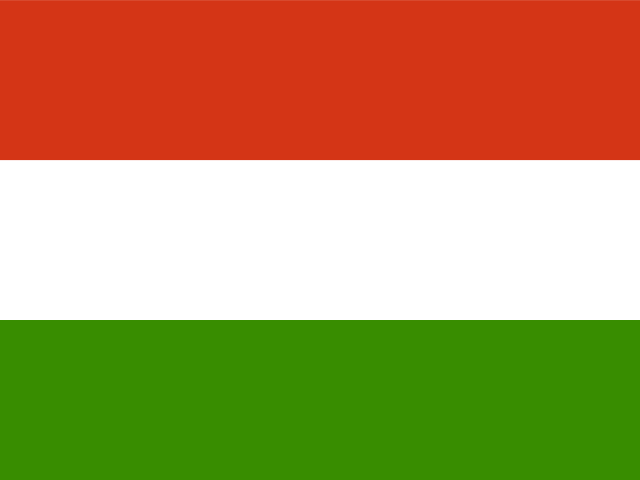
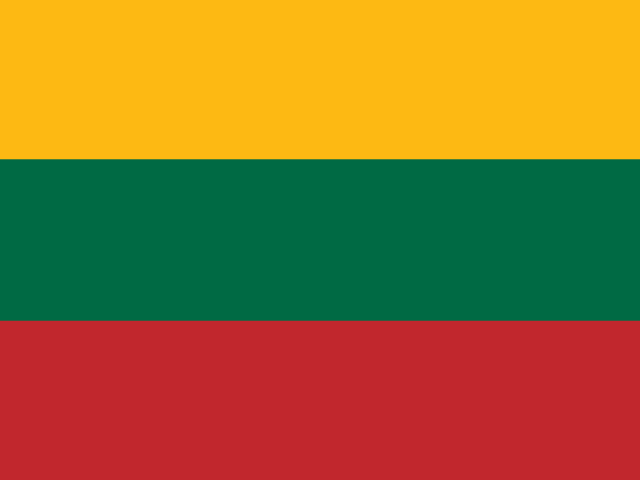
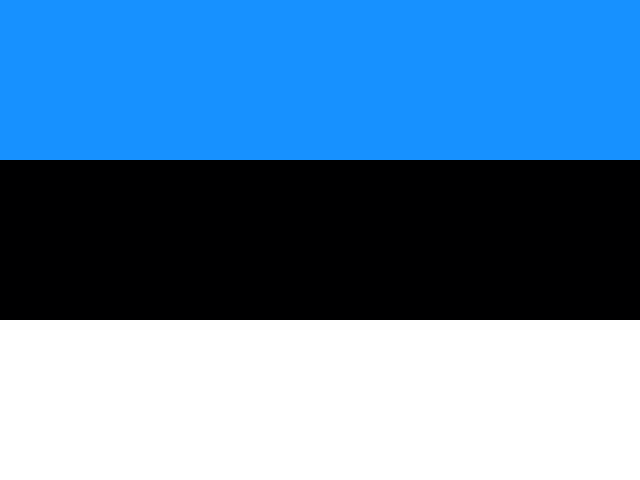
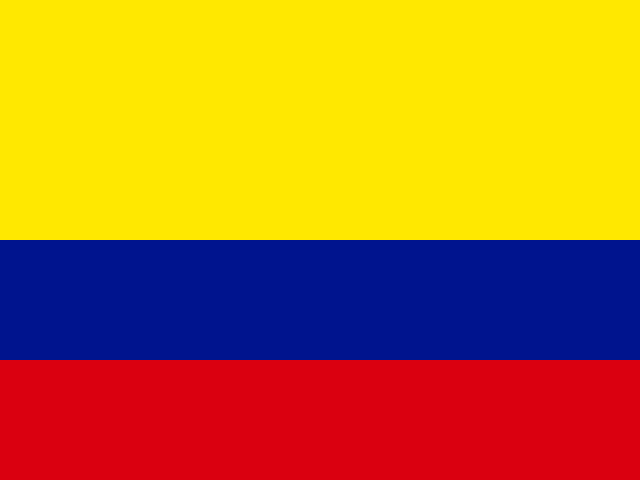
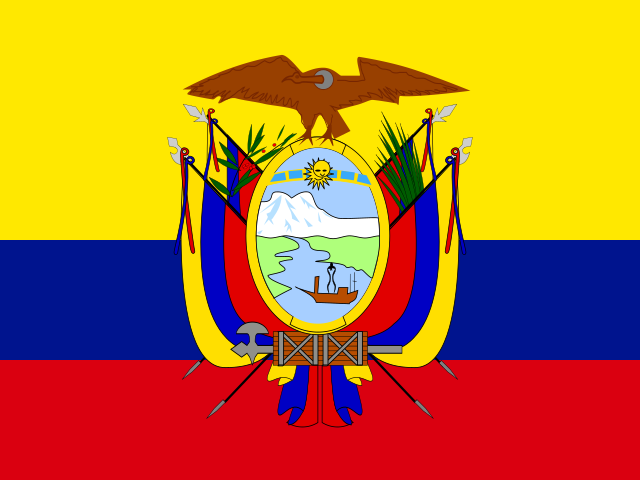
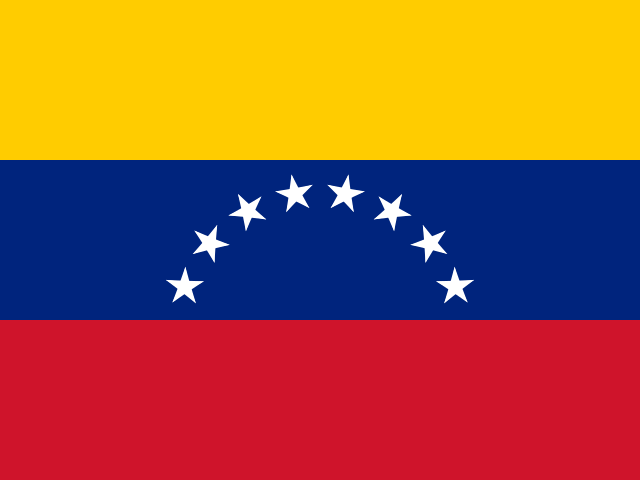
Hungary's red, white and green was made official in the revolution of 1848: Italy's colours laid flat, in a different order. Russia's white-blue-red and Bulgaria's white-green-red belong to the pan-Slavic group. Lithuania's yellow, green and red and Estonia's blue, black and white are tricolours by shape with stories of their own. South America has its own line: the yellow, blue and red of Colombia, Ecuador and Venezuela descend from Francisco de Miranda's flag of 1806 and the Gran Colombia that followed. Colombia and Ecuador give yellow the top half of the flag; Venezuela's stripes are equal, with an arc of eight stars.
Tricolour or triband
Not every three-striped flag is a tricolour. Austria's red-white-red, Peru's red-white-red set vertically, Nigeria's green-white-green and Latvia's dark red and white are tribands: three stripes in two colours. The distinction matters in the game, because the tribands are among the easiest cards and the true tricolours among the hardest, for the reasons below.
The look-alike traps
Netherlands and Luxembourg
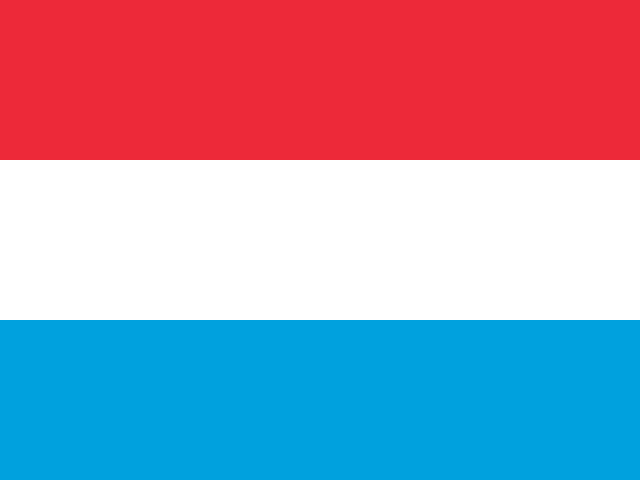
Both are red, white and blue in that order. On a flagpole Luxembourg's flag is longer, but on a card of fixed shape the only difference is the blue: a light sky blue for Luxembourg, a deep cobalt for the Netherlands. Luxembourg's colours come from the arms of its ruling house, a red lion on stripes of white and blue, so the resemblance to the Dutch flag is a coincidence, one that seventy-five years of shared monarchs, from 1815 to 1890, did nothing to reduce. Luxembourg's law specifies the lighter shade, and that shade is the whole answer.
Italy, Mexico, Ireland and Côte d'Ivoire
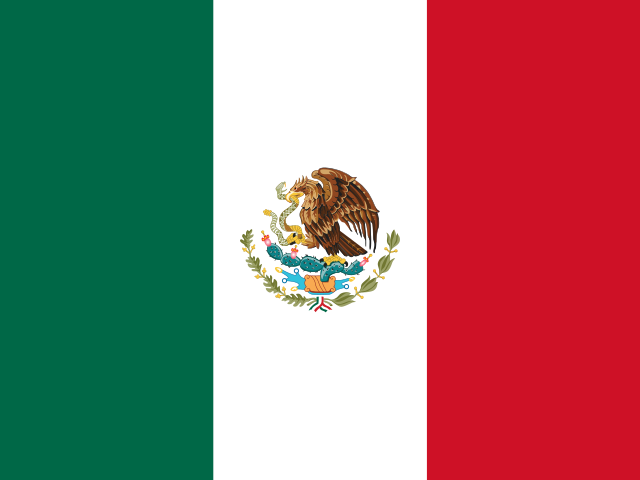
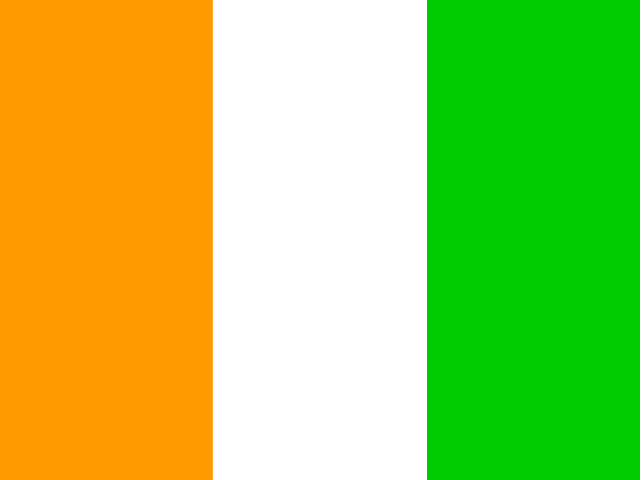
Italy and Mexico share green, white and red; Mexico's flag carries the eagle, cactus and snake in the centre, and without that emblem the two would differ only in Mexico's darker green. The Mexican tricolour is not a copy: it dates from the Army of the Three Guarantees of 1821, the colours originally standing for religion, independence and union. Ireland and Côte d'Ivoire are mirror images: green at the hoist for Ireland, orange at the hoist for Côte d'Ivoire, which adopted its flag in 1959. The card shows the hoist on the left, so green on the left is Ireland and orange on the left is West Africa. Ireland against Italy comes down to the last stripe, orange against red.
Romania and Chad
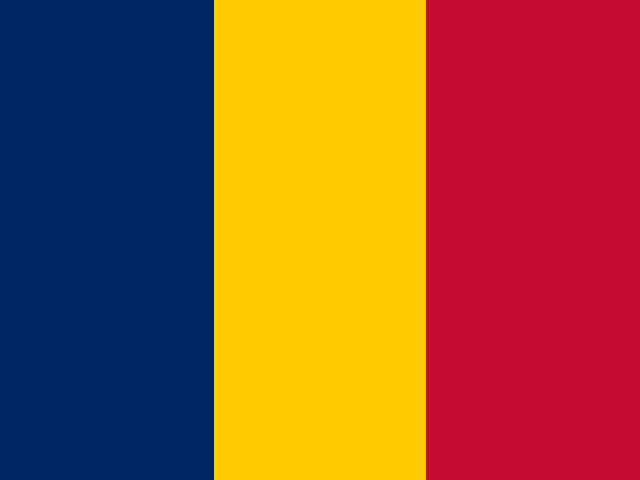
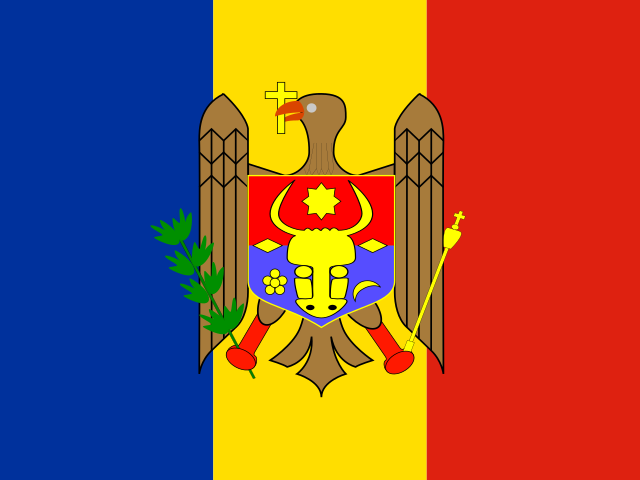
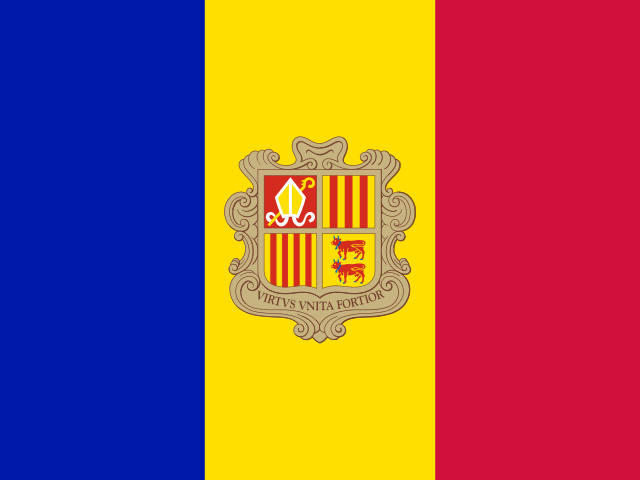
The closest pair in the deck. Chad adopted blue, yellow and red in 1959, combining the French layout with the pan-African yellow and red and blue where that set would have green. Romania's tricolour is a century older but wore a communist emblem until 1989, so the two were only fully alike once it was gone. Chad's blue is a darker navy, and that is the one thing to look at. In 2004 Chad's president raised the matter at the United Nations; Romania answered that the tricolour had been theirs first, and neither flag changed. Moldova and Andorra fly the same three stripes with a coat of arms in the centre, Andorra's on a slightly wider yellow stripe.
Belgium and Germany
The same three colours, but the order and the direction differ: Belgium runs black, yellow, red vertically; Germany black, red, gold horizontally. Vertical means Belgium. The vertical tricolours of West Africa are a family of their own, with Mali and Guinea as mirror images of each other, and they have their own guide: pan-African colours.
Try it
The Europe map puts most of the tricolours in this guide into a single round, and Africa holds the vertical ones that followed; on the globe, Practice keeps dealing the pairs you confuse until you stop confusing them. For the full list of mirror images and near-twins, see Flags that look alike, and for the horizontal red, white and blue family, Pan-Slavic colours.